 English
 中文简体
中文简体 Français
 Español
 عربى
عربى
What Are the Benefits and Limitations of Fire Resistant Glass Windows
Aug 14, 2026
Building safety has climbed steadily up the priority list in modern construction. As buildings grow more complex, designers and property owners keep hunting for materials that genuinely support safer environments without sacrificing everything else. Windows sit at the heart of that tension — they're essential to good design, but they still need to balance visibility, natural light, and real protection all at once.
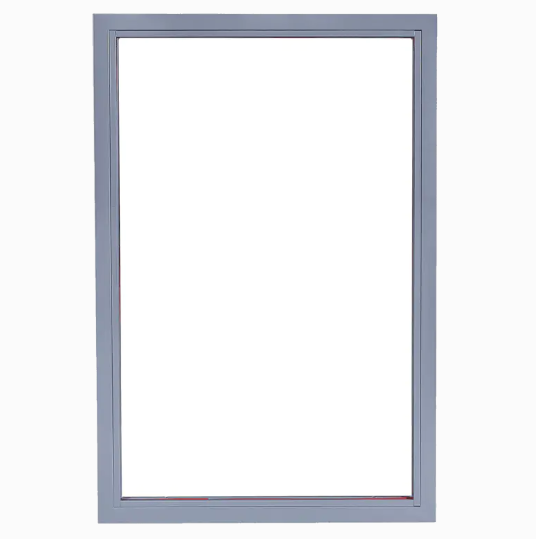
Fire resistant glass windows exist to add that extra layer of protection during fire situations specifically. They help create genuinely safer spaces by holding up against heat and flames far better than ordinary glass ever could. That said, they come with their own real limitations, and those are worth understanding before anyone commits to installation.
Here's a grounded look at both what fire resistant windows actually offer and where they fall short, so architects, builders, and property owners can make genuinely informed choices.
What Are Fire Resistant Glass Windows and How Do They Work?
Fire resistant windows are purpose-built window systems designed to slow down the effects of fire exposure. They're engineered to hold their structural integrity for a set period even under direct heat and flame.
Ordinary glass tends to break fast under heat — that's just how it behaves. Fire resistant glass gets built with protective features specifically meant to improve stability and safety when things go wrong.
The core purpose of these windows comes down to a few things:
- Helping slow the movement of flames between spaces
- Supporting safer evacuation areas during an emergency
- Protecting genuinely important sections of a building
- Improving overall fire protection planning
Fire resistant windows rarely work alone. They're usually part of a broader safety strategy, working alongside other building materials and protection systems to build out a genuinely safer environment overall.
How Do Fire Resistant Glass Windows Improve Building Safety?
One of the biggest advantages here is straightforward: these windows genuinely support fire safety measures where ordinary glass simply can't. Windows tend to be weak points in a building's defenses, since regular glass breaks fast once temperatures climb.
Fire resistant glass tackles that weakness head-on with genuinely stronger protection.
| Safety Aspect | Possible Contribution |
|---|---|
| Fire control | Helps slow fire movement between areas |
| Smoke management | Supports safer building separation |
| Emergency response | Creates additional protection zones |
| Building design | Allows safety features without blocking natural light |
By genuinely improving how windows hold up under fire conditions, these products become a real part of overall building safety planning rather than just a checkbox item.
Why Are Fire Resistant Glass Windows Popular in Modern Buildings?
Modern buildings often demand materials that combine genuine safety with practical, livable design. Solid walls and barriers deliver protection, sure, but large solid structures cut down on natural light and open sightlines in ways that hurt the overall space.
Fire resistant windows strike a genuine balance between protection and appearance that solid barriers just can't match.
They show up regularly in:
- Commercial buildings
- Public facilities
- Residential projects
- Industrial spaces
- Areas demanding extra fire protection
Holding onto transparency while still boosting safety is exactly what makes these windows so attractive across so many architectural styles.
What Are the Main Benefits of Fire Resistant Glass Windows?
Fire resistant windows provide several advantages that make them useful in different construction applications.
1. Improved Fire Protection
The primary benefit is additional resistance during fire situations. These windows can help delay the spread of fire and provide more time for people to respond.
2. Better Natural Lighting
Unlike some solid fire barriers, glass windows allow natural light to enter spaces. This helps create brighter and more comfortable environments.
3. Enhanced Building Design Flexibility
Architects can use fire resistant glass in areas where traditional protective materials may affect appearance. It allows safety requirements to work together with modern design concepts.
4. Increased Safety Awareness
Installing protective window systems encourages better planning for building safety. It supports a more complete approach to risk management.
5. Visual Connection Between Spaces
Transparent materials allow people to maintain visibility between areas while still considering safety needs. This can be useful in workplaces and public environments.
Can Fire Resistant Glass Windows Support Energy Efficiency?
Energy efficiency has become a genuinely important topic across building design generally. Plenty of users want materials that support comfortable indoor environments while still delivering on safety.
Some fire resistant glass window systems do include features that help manage indoor conditions. Depending on the specific product, they might contribute to:
- Better control over indoor environments
- Reduced dependence on artificial lighting
- Improved overall building comfort
Fire protection and energy efficiency remain genuinely separate considerations, though. A window built for fire resistance won't automatically hand you every energy-related benefit going.
The overall window system, the building structure around it, and how it's actually installed all shape final performance together.
What Are the Limitations of Fire Resistant Glass Windows?
Fire resistant windows deliver real benefits, sure, but they come with genuine limitations too. Understanding these upfront helps avoid unrealistic expectations down the line.
Higher investment considerations. Fire resistant windows usually involve more specialized manufacturing, which tends to push costs above standard window solutions.
Project owners genuinely need to weigh both the upfront investment and the long-term safety payoff when making this call.
Installation requirements. These windows demand careful, precise installation. Incorrect fitting can genuinely undercut their intended performance when it matters most.
Professional planning matters a lot here, since window systems are woven into the overall building structure, not bolted on as an afterthought.
Maintenance needs. Like any building component, fire resistant glass windows need regular care. Damage, aging, or sloppy maintenance can genuinely chip away at their condition over time.
Routine checks help catch small issues before they snowball into bigger concerns.
Design restrictions. Fire resistant glass delivers transparency, sure, but it doesn't suit every design style or every application out there. Project requirements genuinely shape whether this type of window makes practical sense for a given space.
Are Fire Resistant Glass Windows More Difficult to Maintain?
Maintenance genuinely matters when it comes to keeping any safety-related building material in good working order.
Fire resistant windows tend to need attention across a few areas:
| Maintenance Area | Reason |
|---|---|
| Surface condition | Helps maintain clear visibility |
| Frame condition | Supports overall window performance |
| Installation area | Helps identify possible problems |
| Cleaning methods | Prevents damage from unsuitable care |
Regular maintenance isn't just about keeping these windows looking good, either. It genuinely supports their long-term function too, which matters a lot more than appearance when a fire actually happens.
Building owners really should fold these windows into their routine inspection schedules rather than treating them as a set-and-forget installation.
Where Are Fire Resistant Glass Windows Commonly Used?
Where fire resistant windows actually get used comes down to building requirements and how safety gets planned overall.
Commercial Buildings. Offices and business facilities often lean on protective materials to genuinely improve workplace safety for everyone inside.
Public Areas. Schools, hospitals, and transportation facilities frequently need materials that support much larger, more comprehensive safety plans.
Residential Projects. Some residential buildings use fire resistant glass in spots where safety and design genuinely need to work together without compromise.
Industrial Environments. Factories and industrial spaces often bring in protective window solutions specifically in areas where fire risk demands real attention.
That wide range of applications really shows just how flexible fire resistant glass window systems can be across genuinely different settings.
How Should You Choose Fire Resistant Window for a Project?
Choosing suitable fire resistant windows requires consideration of several factors.
Important points include:
Building Requirements
Different buildings have different safety expectations. The window system should match the purpose of the space.
Design Needs
Appearance, lighting, and visibility may influence the final choice.
Installation Conditions
The surrounding structure and installation environment affect how the window system performs.
Long-Term Management
Maintenance planning should be considered before installation.
A balanced approach helps ensure that the selected window system supports both safety and practical needs.
ctually supports both safety and practical, everyday needs together.
Could Fire Resistant Glass Windows Become More Common in Future Construction?
Building safety keeps drawing more attention as construction methods keep evolving. Materials that genuinely combine protection, design flexibility, and practical use keep climbing in importance across the industry.
Fire resistant glass windows represent one solid approach to improving building safety without completely boxing in architectural creativity.
As designers and property owners keep exploring safer building solutions going forward, these windows are likely to stay a genuinely important option for projects that need both real visibility and real protection working side by side.
Share:
Related Products

 No. 1266, Huajie West Avenue, Yongkang City, Zhejiang Province, China
 [email protected]
 +86-13626793298
 [email protected]
Copyright © Yongkang Chenma Industry and Trade Co., Ltd. All rights reserved.

Sale Entrance Solid Wood Front Doors Manufacturer