 English
 中文简体
中文简体 Français
 Español
 عربى
عربى
Choosing Modern Style Entry Doors for a Clean and Timeless Exterior Look
Jul 31, 2026
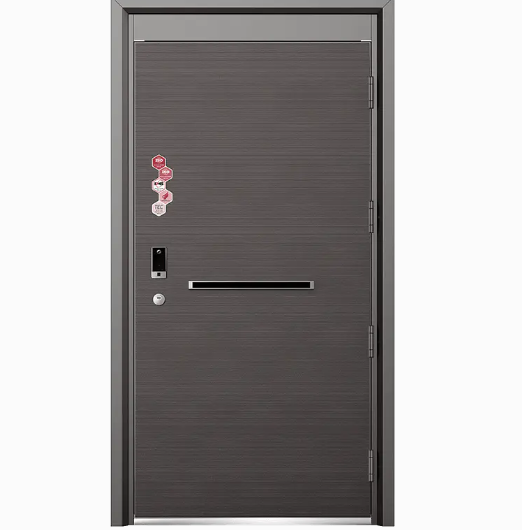
The front door does more than mark an entrance. It sets a tone before anyone steps inside. In many neighborhoods today, there is a noticeable shift toward calm and uncluttered exterior design. Within this shift, modern style entry doors are gaining quiet attention. They do not rely on heavy decoration. Instead, they create impact through balance, proportion, and subtle detail.
Industry observers note that homeowners are spending more time thinking about how individual elements connect. The door is no longer chosen on its own. It is part of a larger composition that includes walls, windows, and surrounding space. This way of thinking is shaping how modern entry doors are designed, produced, and selected.
What makes a modern style entry door feel timeless?
A timeless look does not follow short-term trends. It avoids elements that feel tied to a specific moment. In modern entry doors, this idea is expressed through simplicity. Flat surfaces, clear edges, and steady proportions form the base.
There is also restraint in design. Instead of combining many decorative features, the focus remains on a few strong elements. A single line, a well-placed glass section, or a balanced panel can define the entire look. This kind of design tends to age quietly. It does not demand constant updates.
Another aspect is consistency. When the door aligns with the overall structure of the home, it feels natural. This harmony is often what gives a design its lasting quality.
Why are clean lines becoming more popular in exterior design?
Clean lines offer clarity. They reduce visual noise and make a space feel more organized. In residential exteriors, this clarity can make even smaller homes appear more structured.
There is also a psychological aspect. Simpler forms often feel calmer. After long hours in busy environments, many people prefer living spaces that feel settled and easy to read. A door with clear lines contributes to that feeling before the home is even entered.
From a practical point of view, clean designs are easier to match with other elements. Whether the exterior includes stone, brick, or smooth surfaces, a simple door can adapt without conflict.
How does material choice shape the visual impression?
Materials carry their own character. Even when the design is simple, the surface can change how the door is perceived.
| Material Direction | Visual Character | General Impression |
|---|---|---|
| Smooth metal-like finishes | Even, controlled surface | Structured and modern |
| Wood-inspired textures | Soft grain and natural tone | Warm and balanced |
| Mixed or composite surfaces | Subtle variation | Flexible and adaptable |
Metal-like finishes tend to reflect light in a steady way. They support a clean and defined appearance. Wood-inspired textures introduce a softer feeling. They are often chosen when the goal is to balance modern design with a sense of warmth.
Composite surfaces sit between these directions. They can take on different looks while maintaining a consistent base. This makes them suitable for a wide range of exterior styles.
How can color support a clean and lasting look?
Color shapes the feel of a home's exterior, even when you pick muted, understated hues. Most modern front doors stick to a tight palette of neutral shades, and there's a good reason: these tones blend seamlessly with all kinds of home siding, landscaping and outdoor decor.
Pale grays lay down a gentle, unobtrusive foundation. They never clash with nearby trim or plantings, and hold up well as exterior styles shift year after year. Deeper charcoal tones add sharp contrast instead. They draw subtle focus to the entryway and give the whole front facade a grounded, put-together feel.
Pale, light shades work to visually expand cramped entry spaces. They bounce sunlight around, making compact front yards or narrow porches feel airier. This color choice is especially popular for smaller homes with limited outdoor square footage.
It all comes down to striking the right balance. Your front door needs enough distinct color to catch the eye, yet it shouldn't clash or overpower the rest of the house's exterior design.
What role do proportions play in achieving balance?
Proportion is often overlooked, yet it shapes how the entire entrance feels. A door that is too large or too small for the facade can disturb the visual flow.
Wider doors tend to create a sense of openness. They are often used in homes with broader front elevations. Narrower doors can bring focus and structure, especially in compact layouts.
Additional elements such as side panels can extend the visual width. Overhead sections can introduce more light. When these elements are aligned carefully, they support the main door rather than compete with it.
The relationship between height and width also matters. A taller door can emphasize vertical space, while a wider form highlights horizontal balance. These decisions are often subtle, yet they influence the overall impression.
Is glass necessary in modern entry door design?
Glass is not required, but it is often used with purpose. In modern designs, it is rarely decorative in a traditional sense. Instead, it helps shape light and space.
Narrow vertical glass sections are common. They allow natural light to enter while maintaining privacy. Frosted or textured surfaces soften the view from outside. Clear glass may be used in limited areas to connect indoor and outdoor spaces.
The placement of glass is more important than its size. A small, well-positioned section can change how the door feels. It can make the entrance appear lighter and more open without altering the overall simplicity.
How do hardware details influence the overall style?
People tend to overlook door hardware, but these small fittings set the whole tone of your entryway's aesthetic. For contemporary front doors, every metal piece shares the same design vibe as the door panel itself.
Door handles stick to streamlined shapes for the most part. Clean straight edges or soft, subtle curves are standard picks. Their surface finish either matches the door's color or adds a faint, complementary contrast, tying the whole design together harmoniously.
Handle length and positioning also alter how the doorway reads visually. Tall vertical pulls stretch the eye upward and highlight the door's height. Shorter centered hardware keeps visual weight balanced right in the middle of the frame.
Extra hardware like hinges and locking systems are intentionally low-profile. They deliver all the practical functionality you need without stealing focus from the door's main design.
What practical factors should be considered before choosing?
Beyond appearance, several practical aspects influence the final decision. These factors shape how the door performs over time.
Environmental conditions
The local climate can affect how materials behave. Some surfaces respond differently to moisture, sunlight, or temperature changes.
Maintenance needs
Certain finishes require regular care to maintain their look. Others remain stable with minimal attention.
Daily use
The door should feel comfortable to use. Weight, handle placement, and opening direction all play a role.
Safety considerations
The structure and locking system should support everyday security without affecting the design.
Connection with surrounding elements
The door should align with nearby windows, walls, and pathways. A consistent design creates a more cohesive exterior.
How are manufacturers responding to changing preferences?
Door makers keep a close eye on what homeowners want these days, and flexibility sits at the heart of their updated product lines. Rather than sticking to rigid, one-size designs, most new entry doors let buyers tweak layouts, surface treatments and small hardware details to match their space.
Textured finishes have also grown far more restrained. Brands are stepping away from loud, busy patterns and leaning into understated textures that add gentle depth without dominating the facade. This lines up perfectly with the popular demand for quiet, timeless home exteriors.
Manufacturers have also changed how they showcase their doors to shoppers. Instead of photographing each door alone against a plain backdrop, they stage full home exterior scenes. This gives customers a clearer sense of how a door will look once installed on their actual house.
Can modern entry doors fit different types of homes?
Modern entry doors are often linked to contemporary architecture, yet they are not limited to it. Their simplicity allows them to work across different styles.
In more traditional homes, a modern door can introduce contrast. It refreshes the entrance without changing the overall character. In newer buildings, it reinforces a clean and unified look.
The outcome depends on how the door is integrated. When the scale, color, and material are chosen carefully, the door becomes part of the whole rather than a separate feature.
How do small design choices shape the final impression?
Small details often carry quiet influence. The way edges are finished, the alignment of panels, and the consistency of color all contribute to the overall feel.
Light interaction is another subtle factor. A matte surface absorbs light and creates a softer look. A slightly reflective finish adds depth while remaining controlled.
Even the spacing between elements can affect perception. Balanced spacing creates a sense of order. Irregular spacing can feel unintentional.
These details do not stand out on their own. Yet together, they shape how the entrance is experienced.
Share:
Related Products

 No. 1266, Huajie West Avenue, Yongkang City, Zhejiang Province, China
 [email protected]
 +86-13626793298
 [email protected]
Copyright © Yongkang Chenma Industry and Trade Co., Ltd. All rights reserved.

Sale Entrance Solid Wood Front Doors Manufacturer