 English
 中文简体
中文简体 Français
 Español
 عربى
عربى
How to Choose the Right Wooden Entrance Door for Home Use
Jul 24, 2026
A front door is often treated as a simple part of a house. In daily life, it quietly does much more. It frames the entrance, separates inside from outside, and sets the tone for anyone arriving. When the material is wood, that role feels a bit different. There is a sense of warmth, a softer look, and a connection to natural textures that other materials do not always carry.
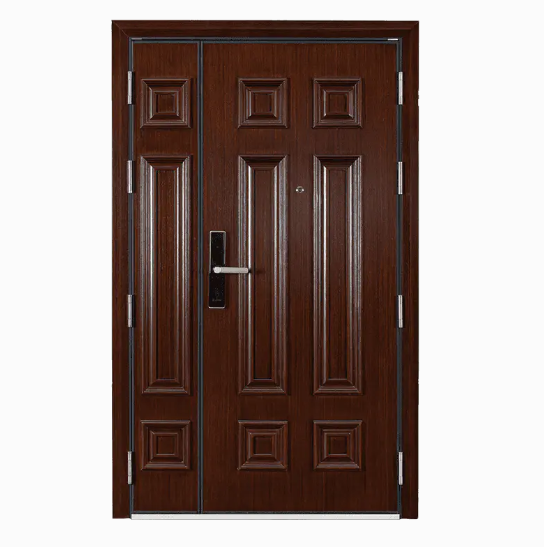
Choosing a wooden entrance door for home is not about chasing a single idea. It is closer to making a series of small decisions that come together. Each detail, from how the door looks to how it feels in use, shapes the final result.
Why Does the Entrance Door Matter More Than Expected?
People often notice a door without thinking about it. It is part of the first impression. A well-matched door does not need to stand out in a strong way. It simply fits.
At the same time, the door is used every day. It is opened in a hurry, closed gently at night, and sometimes left slightly ajar during quiet moments. These repeated actions mean the door must feel natural to use.
A wooden door adds a certain calm to this routine. The grain, the color, and even the slight variation in texture give it a lived-in feeling from the start.
How Should the Door Fit the Look of the House?
Every house has its own distinct style. Some properties feature plain, straight outlines and minimal forms. Others carry plenty of decorative touches, with layered textures and exposed structural details.
Your front door needs to match this overall style. For minimalist home facades, plain timber doors with faint thin lines will keep the design cohesive. If the house already has lots of decorative features, paneled doors or ones with soft carved patterns will fit naturally.
Color makes a subtle difference too. Doors painted a shade close to the wall color blend seamlessly into the exterior. Darker or lighter tones create visual contrast, yet the shade still needs to harmonize with the rest of the building.
What Should Be Noticed When Looking at Wood Itself?
No two pieces of timber are identical. You don't need professional expertise to tell the difference—some planks feel heavy and compact, while others seem lighter and less dense.
This variation impacts how well the door holds up years down the line. Denser, stable timber is far less prone to warping when humidity or temperature shifts. Surface coating also counts. Sealed, smooth surfaces stand up to daily scratches and marks much better than raw, untreated wood.
Selecting timber relies more on your visual and tactile impressions instead of complicated technical specs. A door that feels sturdy and well-weighted when handled usually delivers reliable long-term performance.
How Does Weather Influence the Choice?
Weather is always present, even when it is not obvious. Rain, sunlight, and dry air all interact with wood in subtle ways.
In areas with frequent moisture, water can slowly affect the surface. Without protection, the door may feel heavier or less smooth over time. In dry climates, the opposite can happen. The air draws moisture out, which may lead to slight changes in shape.
Sunlight also plays a role. Over time, it can soften the original color. Some people welcome this change, while others prefer to maintain the initial look.
A suitable door takes these factors into account. It is not only about how it looks when installed, but how it continues to behave as seasons pass.
What About Safety and Daily Reliability?
The front door acts as the main barrier for household safety. It has to feel solid and secure, yet never awkward to operate day-to-day.
Solid timber doors naturally have substantial weight, which gives a reassuring sense of protection once shut. Even so, the door must slide open and close freely without sticking or dragging.
Handles, locks and other fittings work as a matched set with the door. If all hardware aligns properly, opening and locking feels effortless. No extra pushing, pulling or constant tweaks are required for regular use.
How Much Maintenance Does a Wooden Door Need?
Timber shifts little by little as years pass. Finger marks, weather exposure and daily knocks leave faint traces on its surface. These marks add unique charm to the wood, but basic care is still necessary.
Wiping down dust regularly stops grime from building up on the surface. After several years, a fresh coat of protective finish becomes necessary. This layer shields the wood and restores its original colour and smooth texture.
Looking after the door does not take much work. Quick routine checks now and then blend into regular housework, instead of being a troublesome chore.
Which Design Details Affect Everyday Use?
Small details often have a strong impact. They may not be noticed at first, but they shape how the door feels over time.
Handle Design
A handle that fits comfortably in the hand makes each use easier.
Door Weight
A balanced weight allows the door to move smoothly without feeling too light or too heavy.
Surface Finish
A smooth finish feels different from a textured one. It also affects how easy the door is to clean.
Opening Direction
The way the door swings should match how people move through the entrance.
These elements come together quietly. When they are well considered, the door feels effortless to use.
How Do Common Wooden Door Styles Compare?
Different styles bring different visual effects. The choice often depends on how the door connects with the rest of the home.
| Door Style | Visual Impression | Where It Fits Naturally |
|---|---|---|
| Flat Surface | Simple and clean | Modern or minimal homes |
| Panel Design | Structured and balanced | Traditional settings |
| Glass Detail | Light and slightly open feel | Entrances needing brightness |
| Mixed Elements | Combination of textures | Transitional designs |
Each style offers a different mood. The aim is not to choose what stands out the most, but what feels consistent with the space.
How Does Installation Shape the Final Experience?
Even a carefully selected door depends on how it is installed. If the fit is not precise, small issues can appear. The door may not close evenly, or slight gaps may form.
Proper alignment ensures smooth movement. The door should sit evenly within its frame, allowing it to open and close without resistance.
Attention to detail during installation often prevents future adjustments. It allows the door to function as intended from the beginning.
Why Is a Balanced Choice More Practical Than a Perfect One?
It is easy to focus on one feature, such as appearance or durability. In reality, a wooden entrance door works as a combination of many elements.
A door that looks appealing but feels difficult to use may not suit daily life. A purely functional option may lack the warmth that wood can offer.
A balanced choice considers both sides. It brings together visual harmony, ease of use, and steady performance. Over time, this balance becomes more noticeable than any single feature.
Share:
Related Products

 No. 1266, Huajie West Avenue, Yongkang City, Zhejiang Province, China
 [email protected]
 +86-13626793298
 [email protected]
Copyright © Yongkang Chenma Industry and Trade Co., Ltd. All rights reserved.

Sale Entrance Solid Wood Front Doors Manufacturer