 English
 中文简体
中文简体 Français
 Español
 عربى
عربى
Common Damage Issues for Kitchen And Bathroom Steel Door
Mar 13, 2026
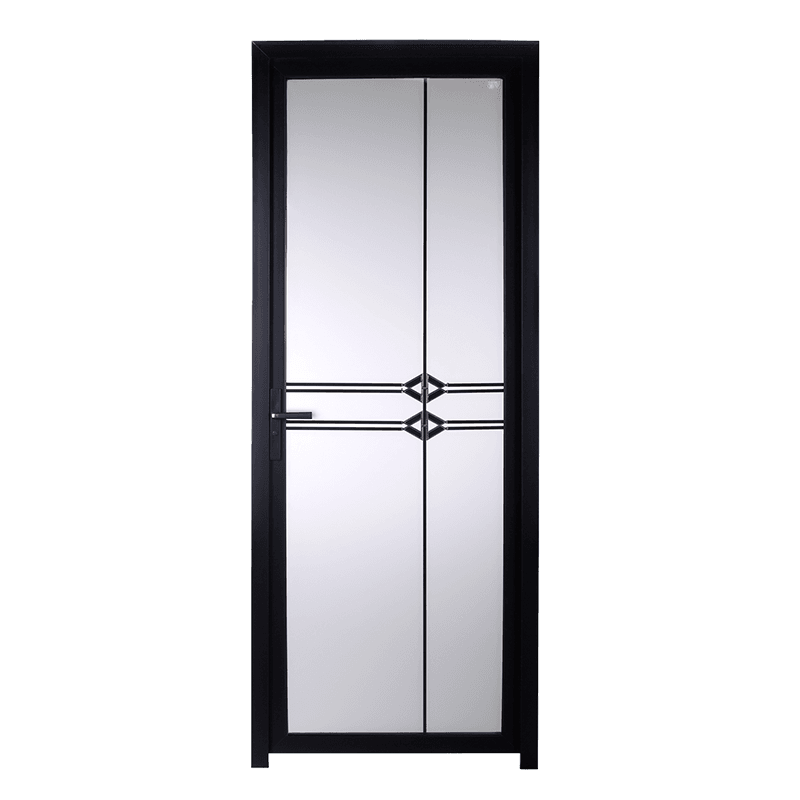
Kitchen and Bathroom Steel Door is widely used in both residential and commercial spaces due to their durability, fire resistance, and modern aesthetic. However, when installed in environments with high humidity and frequent moisture exposure, these doors can face specific challenges that affect their longevity and performance. Understanding the common damage issues in such conditions is essential for homeowners, facility managers, and designers to ensure proper maintenance and to make informed choices about material selection.
Corrosion and Rust Formation
One of the common problems for steel doors in humid environments is corrosion. Moisture can penetrate paint coatings or protective finishes, reaching the underlying metal and triggering rust formation. Even high-quality steel with anti-corrosion treatment may develop surface rust over time if exposed continuously to steam, condensation, or water splashes. Rust not only affects the appearance of the door but can also weaken structural components such as hinges, frames, and locking mechanisms. Left untreated, corrosion can spread and cause more severe damage, requiring partial or full replacement of the door.
Coating Deterioration
Protective coatings, including paint, powder coating, or enamel layers, play a crucial role in shielding steel doors from moisture. In wet environments, these coatings may peel, blister, or crack due to prolonged exposure to water and fluctuating temperatures. Once the coating deteriorates, the underlying steel becomes vulnerable to corrosion. Regular inspection and touch-up of protective layers are necessary to maintain both the aesthetic and functional integrity of the door. Coating failure is often the visible sign that a steel door is under stress from its environment.
Mold and Mildew Accumulation
Although steel itself does not support mold growth, the edges, seals, and frame joints of the Kitchen and Bathroom Steel Door can trap moisture, dust, and organic matter. These areas provide ideal conditions for mold and mildew proliferation, which not only affect indoor air quality but can also damage gaskets, seals, and surrounding wall structures. Mold accumulation is especially problematic in bathrooms and kitchens where steam generation is frequent, and ventilation may be insufficient. Cleaning and proper ventilation are critical preventive measures to avoid long-term damage.
Hardware Degradation
High humidity environments can accelerate the deterioration of door hardware, including hinges, locks, handles, and rollers. Corrosion or rust on these components can cause stiffness, jamming, or complete failure of moving parts. Even stainless steel hardware can show signs of wear if exposed to salt, chemicals, or constant moisture. Maintenance, lubrication, and periodic replacement of hardware are essential to ensure smooth operation and safety.
Seal and Gasket Failure
Seals and gaskets are installed to prevent water and air infiltration. In wet environments, these materials can become brittle, shrink, or lose elasticity over time, reducing their effectiveness. Compromised seals can allow water to enter the door frame, causing corrosion and internal damage. Regular inspection and replacement of seals are necessary to maintain the door’s protective properties.
Kitchen and bathroom steel doors offer good durability, but in high-humidity conditions, issues such as corrosion, warping, coating deterioration, mold growth, hardware failure, and seal degradation are common. Proper material selection, preventive maintenance, and environmental control are key to prolonging the service life of these doors while preserving their functionality and appearance.
Share:
Related Products

 No. 1266, Huajie West Avenue, Yongkang City, Zhejiang Province, China
 [email protected]
 +86-13626793298
 [email protected]
Copyright © Yongkang Chenma Industry and Trade Co., Ltd. All rights reserved.

Sale Entrance Solid Wood Front Doors Manufacturer