 English
 中文简体
中文简体 Français
 Español
 عربى
عربى
Comparing Replacement Frequency Between Spliced and Full Panels
Mar 06, 2026
When evaluating long‑term performance and lifecycle costs of industrial and commercial doors, one important consideration is how often the door components need to be replaced. In this context, a Spliced Door design, where multiple panels are joined together, presents a different maintenance pattern and replacement frequency than traditional full‑panel door constructions. Decisions about door type often hinge on durability, environmental stress, repairability, and how usage patterns affect wear over time. Understanding how these structural differences influence the frequency of replacement can help facility managers and building owners make smarter investment choices.
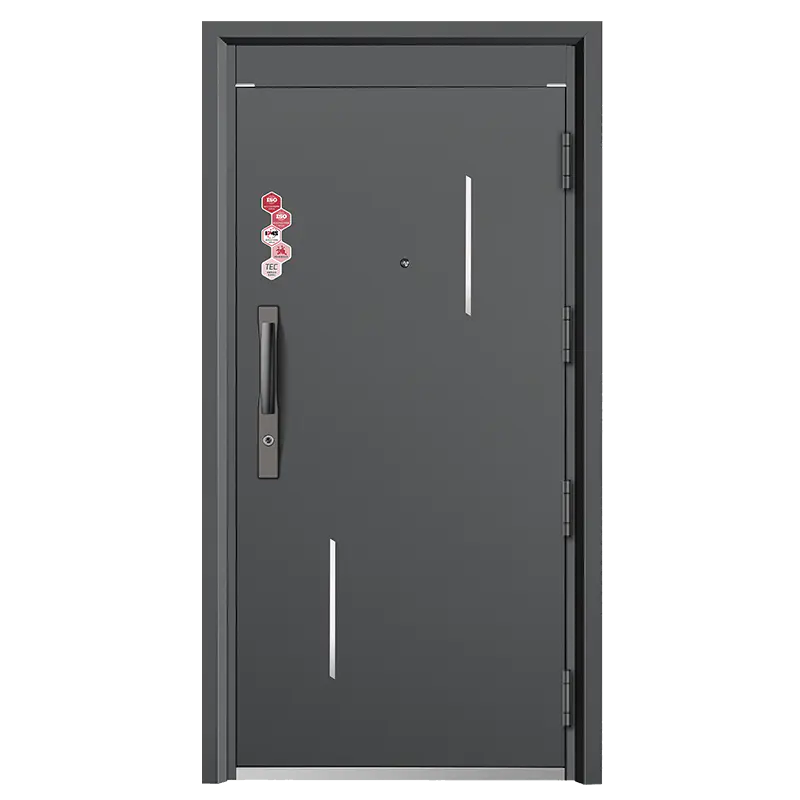
Structural Characteristics and Wear Patterns
The core distinction between a spliced assembly and a door panel made from a single, continuous piece lies in how stress and wear are distributed. In a full-panel door, the built‑in continuity often translates to uniform structural integrity. Because there are no seams or joints, loads from opening, closing, wind pressure, or impact are spread evenly across the surface. This can reduce localized fatigue and prolong the service life of the component as a whole. In contrast, doors built from multiple joined sections inherently include seams and connection points where materials meet. These junctions can become focal points for stress concentration, causing accelerated wear in areas where movement or vibration stresses the joint. Over years of daily operation, this can result in a higher incidence of localized damage that eventually requires repair or part replacement.
Impact of Environmental Conditions
Environmental exposure can have a significant influence on how quickly structural elements deteriorate. Full‑panel door systems tend to have fewer gaps where moisture, dust, or corrosive agents can infiltrate. This can mitigate issues such as rust, delamination, or seal failure, especially in climates with high humidity or rapid temperature changes. Doors with spliced construction often use mechanical fasteners, sealants, or welding at the joints. While these methods are engineered to create a durable assembly, they are more susceptible to environmental degradation over time. For instance, if a sealant deteriorates, moisture can penetrate at the junction and cause corrosion from within. This can cause earlier intervention or replacement of specific sections when compared with a one‑piece panel that repels such intrusion more effectively.
Maintenance Practices and Replacement Cycles
Routine maintenance strongly affects how often any door needs to be replaced. Full panels may require less frequent inspection of seams but demand attention to surface coatings and hardware because the entire panel must withstand the cumulative forces acting upon it. Spliced designs necessitate inspection at the connection points in addition to surface checks. Because these connection zones are inherently more complex, maintenance professionals may find they need to monitor fasteners, welds, gaskets, or other joining mechanisms more often. This doesn’t automatically imply a shorter overall lifespan, but it does mean that proactive upkeep is essential to prevent minor degradation from evolving into a need for full replacement. In practice, building owners with effective maintenance protocols often find that both types of door systems can serve reliably for decades, provided preventive care is consistent and targeted.
While spliced assemblies may exhibit a slightly higher tendency for localized wear compared to continuous panel designs, the actual replacement frequency depends heavily on environmental conditions, maintenance practices, usage intensity, and quality of materials. Thoughtful evaluation of these factors will help stakeholders choose an option that balances durability with practical cost management.
Share:
Related Products

 No. 1266, Huajie West Avenue, Yongkang City, Zhejiang Province, China
 [email protected]
 +86-13626793298
 [email protected]
Copyright © Yongkang Chenma Industry and Trade Co., Ltd. All rights reserved.

Sale Entrance Solid Wood Front Doors Manufacturer