 English
 中文简体
中文简体 Français
 Español
 عربى
عربى
Comparing Steel and Wood Doors for Home Use
Feb 06, 2026
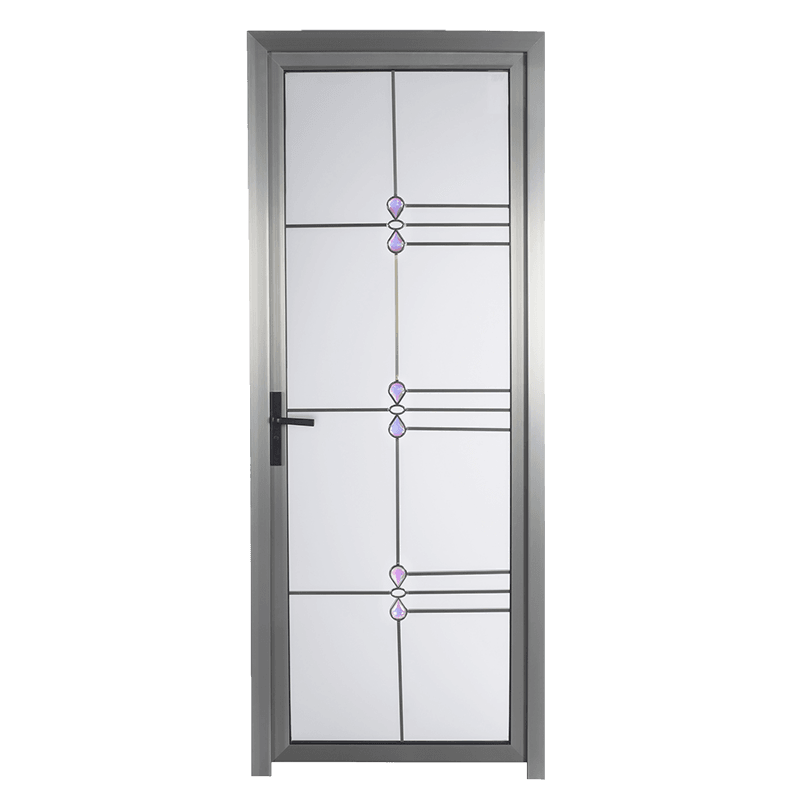
When it comes to choosing doors for kitchens and bathrooms, homeowners are often faced with the dilemma of selecting between steel and wood. A Kitchen And Bathroom Steel Door provides practical advantages in areas exposed to moisture and heavy usage. Its durability, resistance to water, and low maintenance make it an appealing choice for spaces like kitchens and bathrooms where humidity and splashes are frequent. In comparison, wooden doors offer aesthetic warmth and traditional appeal, but they may face challenges in high-moisture environments. Understanding the strengths and weaknesses of both materials is essential for making an informed decision.
Advantages of Steel Doors Over Wood
Steel doors are renowned for their durability and long lifespan. Unlike wood, steel does not warp, swell, or crack when exposed to moisture or temperature fluctuations, making it ideal for bathrooms and kitchens. Additionally, steel is highly resistant to pests such as termites and other insects that can damage wooden doors over time. Another advantage is security. Steel doors are generally stronger and harder to break, offering better protection against potential intrusions. Maintenance requirements for steel doors are minimal compared to wood. They do not require frequent varnishing, sealing, or painting to maintain their appearance and functionality. Fire resistance is another notable benefit. Steel doors can help slow the spread of fire, providing an additional layer of safety for the home. Insulated steel doors can also enhance thermal efficiency and reduce noise, which is particularly useful in busy households.
Advantages of Wood Doors
Wooden doors have their own set of benefits. They offer a timeless aesthetic appeal and can be customized with various stains, paints, and designs to suit any decor. Wood also has natural insulating properties, providing warmth and sound absorption. In spaces where moisture exposure is limited, wood doors can be long-lasting and functional. They are generally lighter than steel, making installation easier and less demanding on door frames. Wooden doors are also easier to repair if scratched or dented compared to steel doors, which may require professional attention for damage.
Choosing the Right Door for Your Space
When selecting between steel and wood, homeowners should consider both functional and aesthetic needs. For areas prone to water exposure, humidity, or heavy use, a steel door is often more practical and cost-effective in the long term. Wooden doors may be better suited for living areas, bedrooms, or spaces where design and warmth are more important than moisture resistance. Cost considerations also play a role; steel doors may have a higher initial price but lower maintenance costs, while wood doors may require more upkeep over time. Evaluating installation requirements, potential maintenance, and compatibility with existing frames will help ensure the chosen door meets both performance and design expectations.
A Kitchen And Bathroom Steel Door offers good durability, moisture resistance, and security compared to wood, making it a good choice for high-humidity areas. However, wood doors excel in aesthetic appeal, warmth, and ease of repair. The choice between steel and wood ultimately depends on the balance between practical performance, visual design, and long-term maintenance needs. Homeowners should weigh these factors carefully to select a suitable door for their kitchen, bathroom, or other living spaces.
Share:
Related Products

 No. 1266, Huajie West Avenue, Yongkang City, Zhejiang Province, China
 [email protected]
 +86-13626793298
 [email protected]
Copyright © Yongkang Chenma Industry and Trade Co., Ltd. All rights reserved.

Sale Entrance Solid Wood Front Doors Manufacturer