 English
 中文简体
中文简体 Français
 Español
 عربى
عربى
Energy Efficiency Benefits of Non-Standard Doors
Mar 25, 2026
Non-Standard Doors have gained significant attention in modern architecture and home design due to their ability to meet unique building requirements. Unlike standard doors, which come in fixed sizes and designs, Non-Standard Doors are customized to fit specific dimensions, layouts, and aesthetic preferences. One of the notable advantages of these doors lies in their good energy efficiency and sealing performance. By tailoring the door to the precise measurements of the doorway, homeowners and architects can reduce energy loss and improve indoor comfort.
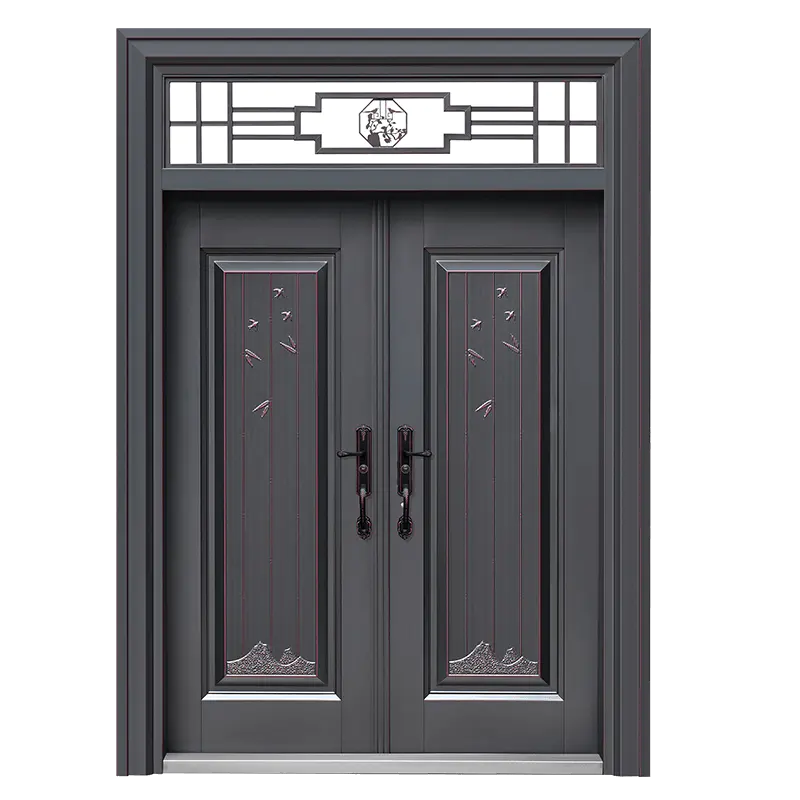
Improved Air Tightness
One of the main energy-saving benefits of Non-Standard Doors is their ability to create a tight seal around the doorway. Standard doors often leave small gaps at the top, bottom, or sides due to variations in wall construction or frame sizes. Non-Standard Doors are manufactured to match the exact dimensions of the door frame, which reduces these gaps and prevents drafts. This enhanced air tightness reduces heat transfer between the indoor and outdoor environments, lowering energy consumption for heating or cooling and helping maintain a consistent indoor temperature.
Enhanced Insulation Materials
Non-Standard Doors often incorporate advanced insulation materials that further enhance energy efficiency. Manufacturers can integrate thicker cores, insulated panels, or multi-layered composites tailored to the specific requirements of the building. These materials reduce thermal bridging and help retain indoor heat during the winter while blocking excessive heat during the summer. The combination of precise sizing and high-performance insulation makes Non-Standard Doors more effective at conserving energy than many off-the-shelf alternatives.
Reduced Noise and Environmental Impact
While the primary focus is often on energy efficiency, the sealing properties of Non-Standard Doors also contribute to acoustic insulation. By reducing gaps and employing dense sealing materials, these doors limit the intrusion of external noise, which improves indoor comfort and reduces the need for additional soundproofing measures. In addition, by lowering energy consumption, Non-Standard Doors indirectly reduce a building’s carbon footprint, making them a more environmentally friendly choice.
Longevity and Durability
Another advantage of Non-Standard Doors is their durability and long-term performance in energy efficiency. Because the door is designed to fit well within the frame, stress points that might cause warping, cracking, or air leakage are reduced. This precise construction ensures that the door maintains its sealing properties over time, providing sustained energy savings and reducing maintenance needs. In contrast, standard doors may require frequent adjustments or additional weatherstripping to achieve similar results.
Customization for Specific Climates
Non-Standard Doors can also be customized for specific climate conditions. For example, in extremely cold regions, doors can be reinforced with thicker insulation and weather seals, while in hot and humid climates, materials that resist thermal expansion and moisture penetration can be selected. This level of customization ensures that the doors perform well in their intended environment, providing good energy efficiency and indoor comfort compared to standard doors.
Non-Standard Doors offer significant advantages in energy efficiency and sealing performance. By providing precise fits, high-quality insulation, and tailored customization, they reduce air leakage, conserve energy, and improve indoor comfort. In addition to these functional benefits, they contribute to environmental sustainability and long-term durability. For homeowners and designers seeking suitable energy performance, investing in Non-Standard Doors represents a practical and effective solution that standard doors cannot fully replicate.
Share:
Related Products

 No. 1266, Huajie West Avenue, Yongkang City, Zhejiang Province, China
 [email protected]
 +86-13626793298
 [email protected]
Copyright © Yongkang Chenma Industry and Trade Co., Ltd. All rights reserved.

Sale Entrance Solid Wood Front Doors Manufacturer