 English
 中文简体
中文简体 Français
 Español
 عربى
عربى
Does Spliced Door Expand in Humid Environments?
Apr 03, 2026
Understanding Spliced Door Construction
A Spliced Door is a type of composite door made by joining multiple wood pieces or veneers together. This construction method provides enhanced strength, stability, and design flexibility compared to single-piece wooden doors. However, because it contains natural wood or wood-based materials, understanding how it reacts to moisture and humidity is crucial for maintaining its performance and longevity. While the spliced construction reduces some risks associated with solid wood, exposure to high humidity can still affect the door’s dimensions and functionality.
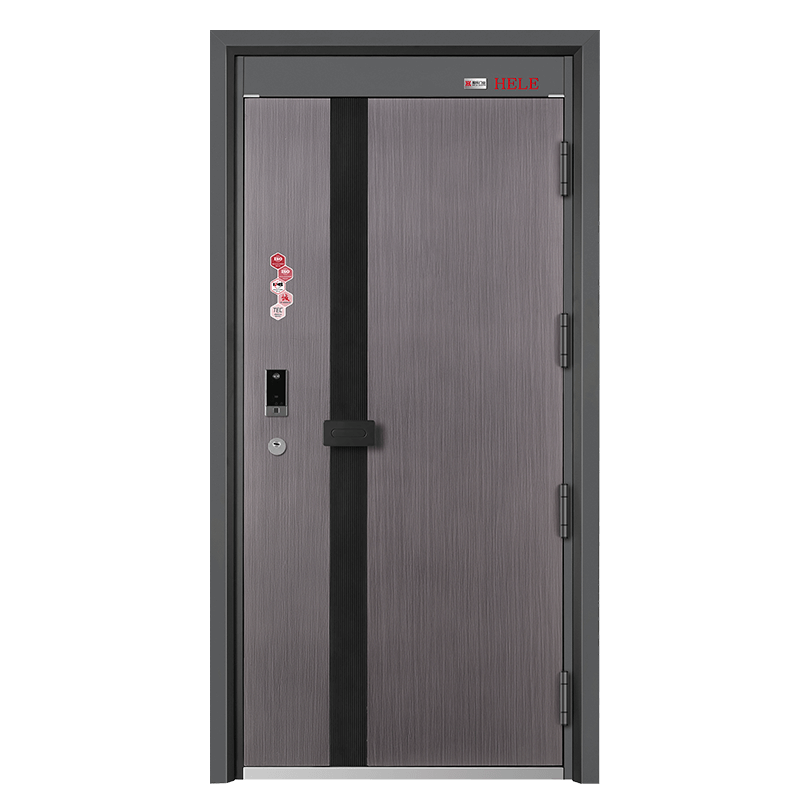
How Humidity Affects Wood
Wood is hygroscopic, meaning it naturally absorbs and releases moisture depending on the surrounding environment. In humid conditions, wood fibers swell as they take in water vapor from the air. Conversely, in dry conditions, wood loses moisture and contracts. Even though a spliced door is engineered for stability, the wood or veneer layers can still experience minor expansion. This swelling may cause doors to stick in their frames, create gaps around panels, or affect hardware alignment. The degree of expansion depends on factors such as wood species, layer thickness, and the adhesive used during manufacturing.
Factors Influencing Door Expansion
Several factors determine how much a spliced door may expand in humid environments. The type of wood used in the layers plays a key role. Hardwoods typically absorb less moisture than softwoods, reducing the risk of noticeable swelling. Second, the quality of the adhesive and lamination process affects the door’s resistance to humidity. Doors produced by a reputable manufacturer tend to have better sealing and bonding techniques, limiting moisture penetration. Third, environmental factors like bad humidity changes, proximity to water sources, or poor ventilation can exacerbate expansion issues, making it important to control indoor conditions.
Preventing Moisture-Related Issues
To reduce the impact of humidity on a spliced door, proper installation and maintenance are essential. Applying protective finishes such as water-resistant varnishes or sealants on the edges and surfaces can help prevent moisture absorption. Maintaining stable indoor humidity levels, ideally between 40% and 60%, reduces the likelihood of expansion. Additionally, leaving a small gap between the door and frame allows for slight movement without causing sticking or damage. Ensuring that door hardware, such as hinges and locks, is properly adjusted also helps accommodate minor dimensional changes over time.
Signs of Humidity-Related Expansion
Homeowners and facility managers should be aware of early signs that a spliced door is expanding due to humidity. Common indicators include doors that are difficult to close, panels that bulge or warp, squeaking sounds, or misaligned locks and latches. Addressing these issues promptly can prevent further damage and prolong the door’s lifespan. Regular inspection, especially during humid seasons or in areas with high moisture, is recommended to detect problems before they become severe.
While a Spliced Door is engineered for stability and durability, it is not completely immune to the effects of humidity. Exposure to high-moisture environments can cause minor expansion, which may impact door performance and alignment. Choosing high-quality materials, applying protective finishes, controlling indoor humidity, and performing routine maintenance are effective strategies to reduce the risk of swelling. Understanding how spliced doors respond to moisture allows homeowners and businesses to maintain functionality, preserve aesthetics, and extend the life of their doors.
Share:
Related Products

 No. 1266, Huajie West Avenue, Yongkang City, Zhejiang Province, China
 [email protected]
 +86-13626793298
 [email protected]
Copyright © Yongkang Chenma Industry and Trade Co., Ltd. All rights reserved.

Sale Entrance Solid Wood Front Doors Manufacturer