 English
 中文简体
中文简体 Français
 Español
 عربى
عربى
Heat and Smoke Insulation Performance of Fire Resistant Window
Feb 20, 2026
A Fire Resistant Window is an essential safety feature in modern buildings, designed to prevent the spread of fire and smoke while maintaining visibility and natural light. In addition to its primary function of fire containment, the performance of a Fire Resistant Window in terms of heat insulation and smoke control is critical for protecting both property and occupants. Understanding how these windows work, the materials used, and their testing standards helps homeowners, architects, and building managers make informed decisions for safety and compliance.
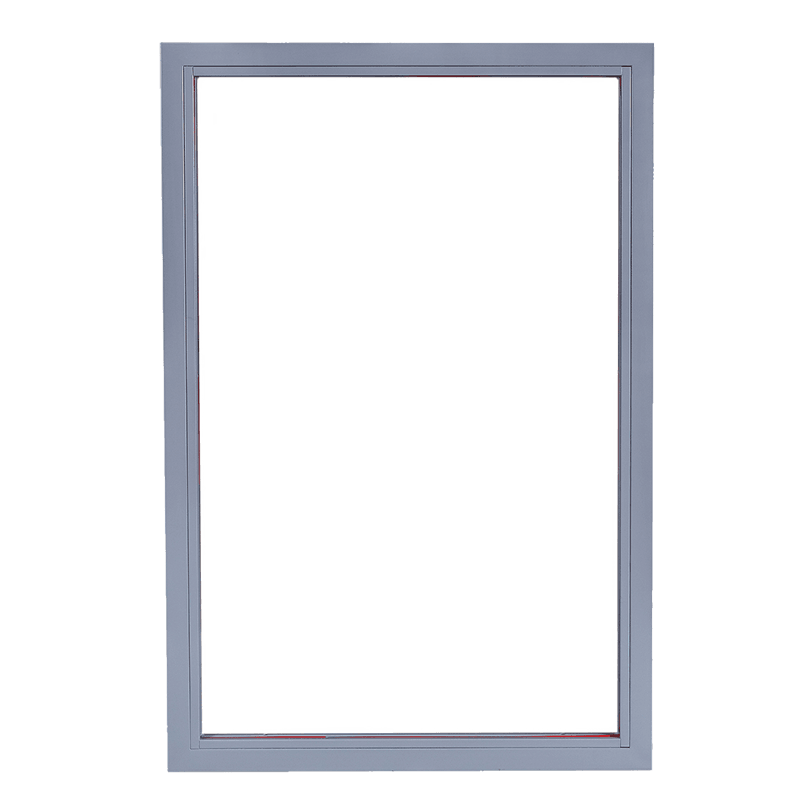
Heat Insulation Capabilities
The heat insulation performance of a Fire Resistant Window is primarily determined by its glass composition and frame design. Special fire-rated glass, such as tempered, laminated, or intumescent glass, can resist high temperatures and slow down heat transfer. This capability prevents the room on the safe side of the window from overheating, reducing the risk of secondary fires and protecting people inside. Multi-layered glass systems with air or inert gas gaps enhance thermal resistance further. The window frame, typically made of steel, aluminum, or composite materials, also plays a crucial role in preventing heat conduction. Well-designed frames combined with fire-rated seals ensure that heat does not easily pass through the edges of the window.
Smoke Control and Sealing
Smoke can be as dangerous as fire due to its toxic gases and reduced visibility. A high-performance Fire Resistant Window incorporates effective smoke control measures. Intumescent strips or gaskets are often installed along the frame to expand when exposed to heat, sealing gaps and preventing smoke from entering protected areas. Properly sealed windows limit the movement of smoke, allowing more time for safe evacuation and reducing inhalation hazards. Some advanced windows also integrate ventilation systems that manage smoke flow while maintaining fire resistance. Regular testing ensures that smoke seals remain effective under prolonged exposure to high temperatures.
Standards and Testing
Fire Resistant Windows undergo rigorous testing to verify their heat insulation and smoke control capabilities. Common standards, such as UL 9 or EN 16034, measure fire resistance in terms of both structural stability and the window’s ability to limit temperature rise and smoke penetration. These tests simulate real fire conditions, including direct flame exposure and radiant heat, to ensure that the window can maintain its protective functions. Selecting windows certified under recognized standards guarantees performance and compliance with local building codes.
Practical Considerations for Installation
Proper installation is key to ensuring that a Fire Resistant Window performs effectively. The frame must be securely anchored, and all gaps around the window must be sealed with fire-rated materials. Poor installation can compromise both heat insulation and smoke control, reducing the window’s protective capabilities. Maintenance is also important; checking seals, intumescent strips, and glass integrity ensures that the window continues to function as intended over its lifespan. Homeowners and facility managers should follow manufacturer guidelines for inspection and servicing to maintain suitable performance.
The heat insulation and smoke control performance of a Fire Resistant Window are vital for building safety. High-quality fire-rated glass, reinforced frames, and effective sealing systems work together to prevent heat transfer and smoke infiltration during a fire. Certification to recognized standards and proper installation further enhance reliability, making these windows essential in residential, commercial, and industrial settings. By understanding their function and ensuring proper maintenance, building owners can improve protection for both property and occupants in the event of a fire.
Share:
Related Products

 No. 1266, Huajie West Avenue, Yongkang City, Zhejiang Province, China
 [email protected]
 +86-13626793298
 [email protected]
Copyright © Yongkang Chenma Industry and Trade Co., Ltd. All rights reserved.

Sale Entrance Solid Wood Front Doors Manufacturer