 English
 中文简体
 Français
 Español
 عربى

How Do Fire Resistant Windows With Thermal Insulation Work
Nov 20, 2026
Windows shape modern buildings. They let in daylight, frame the view, and link indoor spaces with the world outside. They are also weak points. Heat moves through them easily every day, and in a fire they can be among the first parts to give way to intense temperatures.
That creates two design problems. A window has to help slow the spread of fire, and it also has to limit unwanted heat transfer in ordinary use. Fire resistant windows with thermal insulation tackle both through carefully chosen materials and construction.
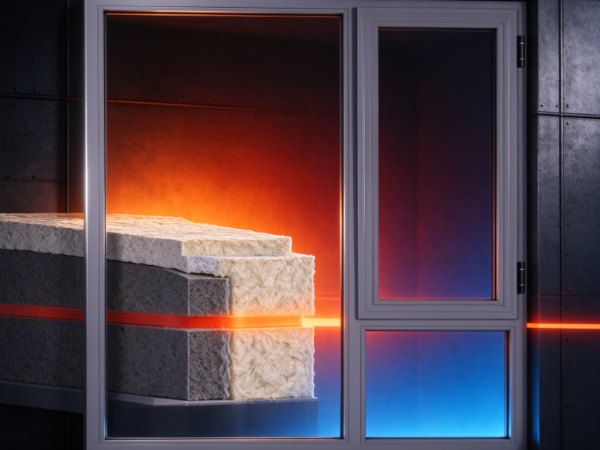
Ordinary windows aren't built this way. In these products, fire protection and heat insulation are treated as linked requirements. The glass, frame, internal structure, and seals all affect performance. Some designs focus on holding a barrier against flames and hot gases. Others also cut the heat passing through the window.
To see how they work, you have to look at their materials, construction, and behavior under different conditions. That also explains why they are showing up more often in commercial, residential, and public projects.
What Are Fire Resistant Windows With Thermal Insulation?
These are window systems that combine fire protection with control of heat transfer. During a fire they keep up a protective barrier. In normal use they reduce heat movement between inside and outside.
A conventional window offers visibility, daylight, ventilation, and basic weather protection. How it behaves in a fire depends heavily on the glass, frame, and installation. Ordinary glass can crack under intense heat and leave an opening for flames and hot gases.
Fire resistant windows use specially developed glass and supporting structures to withstand this. Depending on design and tested classification, they may keep their integrity for a stated period, or also block heat from reaching the unexposed side.
Thermal insulation adds a second function. Heat always flows from warmer areas to cooler ones, and in buildings it can pass through glass, frames, and the gaps between materials.
An insulated window slows this with its glass construction, insulating spaces, and suitable frame materials. Indoor temperatures stay steadier, and heating and cooling systems work less.
The two properties are not the same, though. A window that stops flames doesn't necessarily insulate well. A window with excellent everyday insulation isn't necessarily safe in a fire.
A properly designed fire resistant insulated window meets both requirements through its complete construction and the relevant performance testing.
How Does the Fire Resistant Glass Work?
Glass is the core of the window. It decides how the window reacts to heat and carries much of the job of holding the barrier.
Ordinary glass expands unevenly when hot. Areas heat at different speeds, which builds internal stress. Once the stress gets too high, the glass cracks and stops being a barrier.
Fire resistant glass is made to behave differently. Depending on the product, it uses special compositions, heat-resistant treatments, or several layers combined with protective materials.
Several approaches are common.
Specially treated glass
Some fire resistant glass is made to tolerate temperature swings and thermal stress. Its composition and manufacturing process help it keep its structure in a fire.
It suits designs that mainly need resistance to flames and hot gases. How much it limits heat reaching the protected side depends on its construction and classification.
Multi-layer fire resistant glass
Some products stack several glass layers with special materials in between. Those interlayers react when exposed to high temperatures.
As heat rises, the protective material may swell and form an insulating barrier, which cuts the heat passing through.
The layered structure can also help preserve the overall barrier even if individual layers are damaged.
Composite glass structures
Other designs combine different glass materials for specific fire protection and insulation functions. The arrangement of the layers shapes how the glass handles heat, structural stress, and flame exposure.
The choice depends on the building's fire safety requirements and the intended use.
The takeaway: fire resistance doesn't come from one material property. It comes from the interaction of glass layers, protective materials, and the way the whole product is made.
How Do Thermal Insulation Materials Reduce Heat Transfer?
Insulation slows heat as it moves through a building component. In a window, that means controlling transfer through the glass, the space between panes, and the surrounding frame.
Heat travels in three ways: conduction, convection, and radiation.
Conduction
Conduction is heat moving through a solid. When one side of a window warms up, heat travels through the glass and frame toward the cooler side.
Material choice and arrangement decide how fast. Some materials pass heat readily, and others resist it.
Convection
Convection is heat moving through gases or liquids. Air trapped between glass layers helps reduce transfer.
The gap limits direct heat flow from one glass surface to the other. Some designs use special gases or carefully controlled internal spaces to improve insulation.
Radiation
Radiation carries heat as electromagnetic energy and needs no contact between materials.
Special glass coatings manage it. Depending on design, they reflect or control part of the radiant heat passing through the window.
All three affect a window's overall thermal performance.
Fire resistant insulated windows must manage them without weakening fire protection. That calls for close coordination of glass layers, internal materials, coatings, and frame construction.
The insulating materials in particular must stay compatible with the fire resistant design. A component that works well at ordinary temperatures may not do its job under extreme heat.
What Role Do Window Frames and Sealing Materials Play?
Glass gets most of the attention, but the frame matters just as much. Even if the glass holds, a poor frame can deform or let go of the glass during a fire.
The frame supports the glass and ties the window to the building structure. It also affects thermal insulation, air leakage, water resistance, and stability.
Frame materials differ in character.
Steel frames
Steel is common in fire resistant systems because it is strong. It carries heavy glass assemblies and keeps the window's shape under demanding conditions.
It conducts heat quite readily, so thermal performance depends on frame design and suitable insulating components.
Aluminium frames
Aluminium is popular in modern windows. It is light and can be formed into many profiles, but it also conducts heat well.
Thermally insulated aluminium frames may include internal barriers that reduce heat movement between indoor and outdoor sides.
For fire resistant use, the complete frame assembly must also suit the required fire exposure conditions.
Specially designed frame systems
Some fire resistant windows use frames developed specifically for fire protection, with internal insulation, reinforced sections, and dedicated glass retention.
Seals are another key part.
In normal use, seals block air and moisture from entering through gaps around the glass and frame. That supports indoor comfort and cuts air leakage.
In a fire, fire resistant seals can close gaps as temperatures climb. Some materials expand when heated, which keeps flames and hot gases from passing through openings.
Seals must be compatible with the glass and frame. If they fail too soon, the window can lose protection even while the glass is intact.
How Do Fire Resistant Windows Maintain Protection During a Fire?
A fire resistant window has to cope as the fire develops. Temperatures rise, heat spreads over the glass, and different parts of the window face thermal stress.
How it protects depends on its classification and construction. Some products mainly maintain integrity. Others also insulate against heat transfer.
These functions are described by separate performance requirements.
Maintaining integrity
Integrity is the window assembly's ability to stop flames and hot gases passing through during the required exposure.
Glass, frame, seals, and fixings all contribute.
If the glass breaks, the frame deforms, or the seals fail, the barrier can be compromised.
Limiting heat transfer
Insulation performance is about how much heat reaches the unexposed side.
This matters where people may need to pass or wait near a protected space during an emergency.
Some fire resistant glass systems use internal layers that expand and form an insulating barrier when heated, which limits the heat getting through.
Maintaining structural support
The frame must keep holding the glass in position during a fire, and its connections to the wall must stay stable.
Installation method is therefore as important as the materials.
A fire resistant window isn't an isolated sheet of glass. It belongs to a larger building system. Its performance depends on how the whole assembly is designed, made, installed, and maintained.
What Is the Difference Between Fire Resistance and Thermal Insulation?
The two functions often share one product, but they answer different building needs.
Fire resistance is about how a window performs in a fire. Thermal insulation is about controlling heat transfer in everyday use and, for some fire rated products, limiting heat movement during fire exposure.
The comparison below shows the difference.
| **Performance Aspect** | **Fire Resistance** | **Thermal Insulation** |
|---|---|---|
| Main Purpose | Helps prevent fire and hot gases from spreading | Reduces unwanted heat transfer |
| Main Concern | High-temperature exposure and fire protection | Indoor temperature control and energy use |
| Glass Design | Fire resistant glass and protective layers | Insulating glass structures and suitable coatings |
| Frame Requirements | Structural stability under fire exposure | Reduced heat transfer through the frame |
| Sealing Function | Helps stop flames and hot gases passing through gaps | Limits unwanted air movement |
| Typical Application | Fire compartments and protected building areas | Exterior windows and energy-conscious building envelopes |
Some products do both, but not every fire resistant window insulates equally well.
A window that blocks flames may still let a lot of heat through to the other side. That's why designers need to check the actual fire classification and thermal performance of the complete system.
The distinction shapes selection as well. A building may need fire protection between internal areas, insulation for its exterior envelope, or both in the same spot.
Knowing the intended role keeps you from choosing a product by its name alone.
Where Are Fire Resistant Windows With Thermal Insulation Commonly Used?
Combined fire protection and insulation matters in many building types. As layouts grow more complex, windows must serve several functions at once.
Commercial buildings
Offices, shopping centers, and business facilities contain different functional zones. Fire resistant windows may form part of fire separation systems where the design allows openings.
Insulation helps manage indoor temperatures and limits heat exchange through the building envelope.
Residential buildings
Apartments and other residential developments may use fire rated windows where regulations and the fire safety design call for them.
Insulation matters for comfort too. Windows affect indoor temperature, daylight, and the energy needed for heating and cooling.
Hospitals and healthcare facilities
Healthcare buildings have particular needs for fire protection, indoor comfort, and operation.
Fire resistant windows may be used in selected areas to support compartmentation and safety. Insulating properties help keep indoor environments stable.
Industrial facilities
Factories, warehouses, and production buildings may contain areas with different fire risks and conditions.
Fire resistant windows can be part of the overall protection strategy, and their thermal performance may help control heat exchange between production areas and the outdoors.
Public buildings
Schools, transport facilities, cultural centers, and other public buildings often weigh fire safety and energy use together.
The window system depends on layout, occupancy, the fire protection plan, and applicable construction requirements.
Not every opening needs the same window. The right design follows the fire safety strategy and each space's purpose.
What Factors Should Be Considered When Choosing Fire Resistant Insulated Windows?
Choosing one involves more than comparing glass appearance or frame material. The whole assembly must fit the building's safety requirements and environmental conditions.
Several factors deserve attention.
Fire performance requirements
Identify the required fire classification first. Different locations need different levels of protection.
Designers should decide whether the window must maintain integrity, provide insulation against heat, or do both.
Thermal performance
The window should also meet the building's insulation needs. Glass structure, frame design, internal insulating materials, and air leakage all affect overall thermal performance.
For exterior use, these factors influence indoor comfort and energy consumption.
Glass and frame compatibility
Glass and frame must work as one assembly. Materials, dimensions, fixing methods, and expansion behavior should be compatible.
Glass with the right fire properties may not perform as intended in an unsuitable frame.
Installation conditions
Installation strongly affects final performance. The surrounding wall, fixing materials, connection details, and sealing must suit the chosen system.
Even a well-made product can lose its function if gaps or poor connections are present.
Environmental exposure
Outdoor windows face sun, rain, wind, moisture, and temperature changes, which influence material choice and long-term maintenance.
Indoor installations may have other requirements depending on humidity, cleaning practices, and building activity.
Testing and certification
Fire resistant window systems should come with test documentation matching the intended application.
Check that the tested product uses the same glass, frame, seals, and installation arrangement as your project. A certificate for one component doesn't confirm the performance of the complete assembly.
Maintenance requirements
Frames, seals, glass surfaces, and connections need periodic inspection. Damaged seals, loose fittings, or visible frame deterioration can affect performance.
Follow the manufacturer's instructions and relevant building safety requirements for maintenance.
Share:
Related Products

 No. 1266, Huajie West Avenue, Yongkang City, Zhejiang Province, China
 [email protected]
 +86-13626793298
 [email protected]
Copyright © Yongkang Chenma Industry and Trade Co., Ltd. All rights reserved.

Sale Entrance Solid Wood Front Doors Manufacturer