 English
 中文简体
中文简体 Français
 Español
 عربى
عربى
How Does a Steel and Glass Shower Door Fit Into Modern Bathroom Design
Oct 16, 2026
Bathroom design has changed from being mainly about basic function to becoming an important part of interior planning. People now pay attention to how different elements work together. Walls, floors, lighting, storage, fixtures, and shower areas all influence the look and feel of the room.
The shower door is also part of this design process. It separates the shower area from the rest of the bathroom, while remaining visible from many angles. Its frame, glass surface, opening style, and relationship with nearby materials can affect the overall appearance.
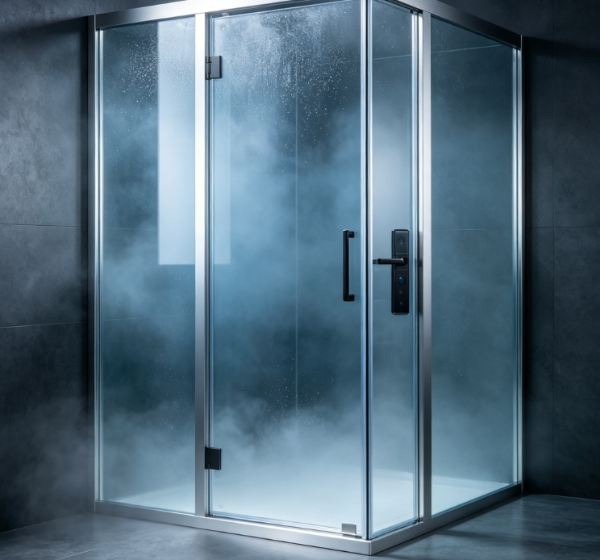
A Steel and Glass Shower Door offers a combination of metal framing and glass surfaces. This combination can create a clear visual boundary without making the shower area feel completely closed off. It can also work with different bathroom styles, from simple residential spaces to more carefully planned commercial interiors.
Understanding how this type of shower door fits into modern bathroom design can help buyers, designers, and project planners make more suitable choices.
What Role Does a Steel and Glass Shower Door Play in Modern Bathroom Design?
A shower door is more than a practical barrier. It also forms part of the visual structure of a bathroom. Because the door sits between the shower area and the rest of the room, its design can influence how the space is perceived.
Steel provides a visible frame around the glass. This creates a defined shape and gives the shower area a clear visual boundary. Glass, on the other hand, allows the interior of the shower area to remain visible. The result is a combination of structure and openness.
This balance can be useful in modern bathroom design. A completely enclosed shower area may make a small room feel more divided. A fully open shower area may not provide the separation some users want. A steel and glass door sits between these approaches.
The appearance of the door can also connect with other parts of the bathroom. Steel framing may work with metal fixtures, handles, lighting details, or storage elements. Glass can visually connect with mirrors, windows, and other transparent surfaces.
| Design Element | Possible Role in the Bathroom |
|---|---|
| Steel frame | Defines the shower area and adds visual structure |
| Glass panel | Keeps the space visually open |
| Door handle | Adds a small functional and decorative detail |
| Door layout | Influences movement and space use |
| Frame finish | Can coordinate with other bathroom elements |
The shower door therefore becomes part of the room rather than an isolated product.
How Does Steel Work With Glass in a Shower Door?
Steel and glass have different visual qualities. Steel has a solid and structured appearance. Glass appears lighter and more open. Combining them creates contrast without requiring complicated decoration.
The steel frame can give the glass panel a stronger visual outline. This can be especially noticeable in bathrooms where the surrounding walls and surfaces use simple colors or clean shapes.
Glass also helps prevent the steel frame from visually dominating the room. Instead of presenting a large solid surface, the door allows light and sight lines to continue through the shower area.
This relationship can support several interior styles. A bathroom with simple furniture and clean surfaces may benefit from a clearly defined frame. A more decorative bathroom can use the door as another element within a larger design scheme.
The relationship between steel and glass also affects how the shower enclosure connects with the surrounding walls. A framed door can create a stronger transition between different areas. At the same time, the glass keeps that transition visually lighter.
For designers and buyers, the important point is not simply choosing steel or glass. It is considering how the two materials work together.
Can a Steel and Glass Shower Door Make a Bathroom Feel More Open?
Visual openness is an important part of modern bathroom planning. Many bathrooms need to balance privacy with a sense of space. A shower area can occupy a noticeable part of the room, so the way it is enclosed can affect the overall atmosphere.
Glass allows the eye to move through the shower area. This can make the room appear less divided. Light can also move across the space instead of being blocked by a large solid door.
This feature can be useful in bathrooms with limited visual space. A steel and glass shower door does not remove the physical separation between the shower and the rest of the bathroom. It simply makes that separation less visually heavy.
The effect can also depend on the surrounding design. Light-colored walls, simple floor patterns, mirrors, and carefully placed lighting can work with glass to create a more connected appearance.
In larger bathrooms, the same principle can be used for a different purpose. Instead of trying to make the room appear larger, the shower door can help organize a large space. The frame gives the shower area a clear identity while the glass keeps it connected to the rest of the room.
This makes the door useful for both compact and spacious bathroom designs.
How Does a Steel and Glass Shower Door Work With Different Bathroom Styles?
Modern bathroom design does not follow one fixed appearance. Some spaces use simple lines and neutral surfaces. Others combine traditional details with modern materials. The shower door needs to work with the overall visual language of the room.
A steel and glass design can be adapted to different settings because its basic materials are visually familiar. The frame provides definition, while the glass creates a lighter surface.
Consider the following common design directions:
- Minimal bathroom design
A simple steel frame and clear glass can support a clean visual arrangement. The door does not need heavy decoration to become part of the design. - Industrial-inspired bathroom design
The visible steel structure can connect naturally with other metal details, darker surfaces, and stronger geometric shapes. - Contemporary residential bathrooms
The combination of glass and steel can work with modern fixtures, simple storage, mirrors, and clean wall surfaces. - Hotel and commercial bathrooms
The shower door can help create a coordinated appearance when multiple bathroom areas follow a similar interior concept.
The surrounding materials remain important. A shower door may look different depending on the floor, wall, lighting, vanity, and fixtures around it.
This is why product selection should not happen separately from interior planning. The door should be considered as part of the complete bathroom environment.
Why Does Bathroom Layout Matter When Choosing a Steel and Glass Shower Door?
A visually attractive door still needs to work with the available space. Bathroom layout affects where the shower area is placed, how people enter it, and how the door interacts with nearby fixtures.
The position of the sink, toilet, storage units, and other bathroom elements can influence the door design. The location of walls and corners also matters.
For example, a bathroom with a compact shower area may need a door arrangement that does not interfere with other parts of the room. A larger bathroom may provide more freedom in arranging the shower enclosure.
The direction and movement of the door can also influence daily use. Users need enough space to enter and leave the shower comfortably. The door should also work with the surrounding layout rather than creating unnecessary obstacles.
| Bathroom Condition | Design Consideration |
|---|---|
| Compact bathroom | Keep visual and physical space organized |
| Open bathroom layout | Maintain visual connection between areas |
| Corner shower area | Coordinate the door with surrounding walls |
| Large bathroom | Use the door to define the shower zone |
| Renovated bathroom | Consider the existing layout and surrounding materials |
This is particularly important for renovation projects. Existing walls, plumbing locations, floor arrangements, and other fixed elements may already determine much of the bathroom layout.
A steel and glass shower door should therefore be selected after the overall space has been considered.
How Can the Door Frame Become Part of the Interior Design?
The frame is one of the visible parts of a steel and glass shower door. It creates the outline of the enclosure and can influence how the shower area relates to the rest of the room.
A frame with clear, simple lines can support a modern interior. A more visually defined frame can become a stronger decorative element. Neither approach needs to stand alone. The frame can be coordinated with other metal details in the bathroom.
Handles, taps, shelves, lighting fixtures, and other small elements may all have a visual relationship with the door frame. When these details share a similar design direction, the bathroom can feel more organized.
The frame can also help create visual rhythm. Repeated vertical or horizontal lines may connect with wall patterns, cabinet shapes, tile arrangements, or other architectural details.
This does not mean every element needs to match exactly. In many modern interiors, contrast is part of the design. The important point is that the frame should have a clear relationship with the surrounding space.
For buyers, this means frame selection should involve more than appearance alone. The frame should also suit the bathroom's overall design language and daily use.
How Does a Steel and Glass Shower Door Fit Into Bathroom Renovation?
Bathroom renovation often involves working with an existing space. The room may already have a fixed shower position, established wall surfaces, and existing fixtures.
Replacing an old shower enclosure can change the appearance of the bathroom without requiring every element to be redesigned. A steel and glass shower door can introduce a new visual structure while maintaining the basic separation between wet and dry areas.
Glass can also help update the appearance of an older bathroom. The transparent surface can make the shower area feel more connected to the rest of the room.
However, renovation planning should begin with the existing conditions. The door needs to work with the available opening, surrounding walls, floor arrangement, and other bathroom elements.
The visual style of the existing room should also be considered. If the bathroom contains several established metal finishes or strong decorative details, the new shower door should not appear unrelated.
A well-planned renovation treats the shower door as part of the wider interior update rather than as an isolated replacement.
This approach can also help project planners coordinate the door with new mirrors, storage, lighting, wall finishes, and bathroom fixtures.
What Should Buyers Consider When Choosing a Steel and Glass Shower Door?
Choosing a shower door involves both design and practical considerations. The right option depends on the bathroom rather than on one universal design.
Buyers can begin with the following areas:
- Bathroom layout:
Understand where the shower area is located and how people move through the room. - Overall interior style:
Consider whether the door should blend into the existing design or provide a stronger visual feature. - Glass appearance:
Think about how transparent surfaces will affect light, visibility, and the connection between the shower and the rest of the bathroom. - Frame design:
Look at the shape, visual weight, and relationship between the steel frame and other metal details. - Door operation:
Consider how the door will open and how its movement fits within the available bathroom space. - Installation environment:
The surrounding walls, floor, and existing structure should be suitable for the selected door arrangement. - Daily use:
A bathroom used by a family may have different needs from a guest bathroom, hotel bathroom, or commercial facility.
These considerations can help buyers move from a product-focused decision toward a space-focused decision.
A steel and glass shower door works most naturally when its materials, shape, opening arrangement, and visual details support the bathroom around it. The door then becomes part of the interior rather than simply a barrier between two areas.
As modern bathroom design continues to place more attention on openness, material coordination, and practical space planning, steel and glass remains a flexible combination for shower areas. Its value in a project comes from how the door interacts with the entire room, from the surrounding walls and floor to the smaller details that shape everyday use.
Related Products

 No. 1266, Huajie West Avenue, Yongkang City, Zhejiang Province, China
 [email protected]
 +86-13626793298
 [email protected]
Copyright © Yongkang Chenma Industry and Trade Co., Ltd. All rights reserved.

Sale Entrance Solid Wood Front Doors Manufacturer