 English
 中文简体
中文简体 Français
 Español
 عربى
عربى
Measuring the Durability of Kitchen And Bathroom Steel Doors
Apr 10, 2026
Understanding Kitchen And Bathroom Steel Doors
Kitchen and bathroom environments present unique challenges for doors due to frequent exposure to moisture, heat, and heavy usage. Kitchen And Bathroom Steel Doors are designed to withstand these conditions while providing security and longevity. Measuring the durability of these doors is essential for homeowners, builders, and facility managers who want to ensure consistent performance over time. Durable doors not only resist physical damage but also maintain aesthetic appeal and functionality in demanding environments.
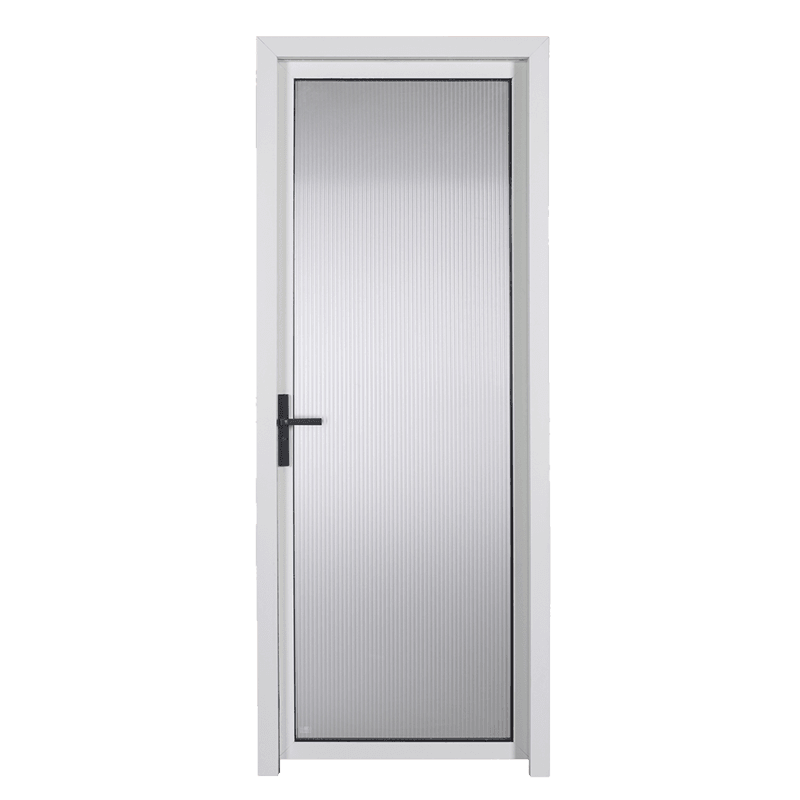
Material Quality and Construction
The primary factor in assessing durability is the quality of materials and construction. Steel doors used in kitchens and bathrooms should be made of high-grade steel with corrosion-resistant coatings. Stainless steel or galvanized steel is often preferred for its resistance to rust and moisture. The thickness of the steel panel and the integrity of the frame are also critical. Doors with reinforced edges, welded joints, and proper internal support provide greater resistance to warping, denting, or breaking under stress. Comparing these material specifications can give a clear indication of potential longevity.
Resistance to Moisture and Corrosion
Durability in kitchen and bathroom doors is closely tied to their ability to resist moisture and corrosion. Areas with high humidity, such as bathrooms, can cause metal doors to rust if untreated. Protective coatings such as powder coating, epoxy layers, or enamel paint help prevent corrosion and extend the lifespan of the door. Regular exposure to steam, splashes, and cleaning agents requires surfaces that maintain integrity without peeling, flaking, or discoloration. Testing doors under simulated moisture conditions provides measurable data on how well they withstand typical usage environments.
Physical Wear and Impact Resistance
Measuring the durability of a steel door also involves evaluating its resistance to physical wear and impact. In kitchens and bathrooms, doors may be subject to knocks, slams, and scratches from daily use. High-quality steel doors are designed to resist dents and deformation while maintaining alignment within the frame. Laboratory tests often involve repeated impact trials, scratch resistance assessments, and hinge stress evaluations. The results from these tests help quantify the door’s robustness and predict how well it will perform over years of frequent use.
Maintenance and Longevity Indicators
Durability is not only a function of initial construction but also of proper maintenance. Inspecting hinges, locks, and seals periodically ensures that the door continues to function as intended. Doors that require minimal maintenance while retaining their appearance and structural integrity are considered more durable. Additionally, the ability to withstand cleaning with common household detergents without damage is an important indicator of long-term resilience. Tracking performance over time under actual usage conditions provides an accurate assessment of a door’s durability.
Comparison With Other Security Doors
For perspective, comparing kitchen and bathroom steel doors with an Entrance Anti-Theft Door can highlight durability standards. Anti-theft doors are typically designed for strength and security, often with thicker steel and advanced locking mechanisms. While kitchen and bathroom doors prioritize resistance to moisture and corrosion, examining similarities in construction techniques, materials, and coatings can inform better durability assessments. High-quality manufacturers often apply lessons from security doors to improve longevity in interior applications.
The durability of Kitchen And Bathroom Steel Doors is measured by a combination of material quality, moisture and corrosion resistance, physical wear tolerance, and maintenance performance. High-grade steel, protective coatings, reinforced construction, and proper installation all contribute to long-lasting functionality. By understanding these factors and comparing standards with robust doors like entrance anti-theft models, homeowners and builders can select doors that provide reliable performance, safety, and aesthetic appeal even in challenging kitchen and bathroom environments.
Share:
Related Products

 No. 1266, Huajie West Avenue, Yongkang City, Zhejiang Province, China
 [email protected]
 +86-13626793298
 [email protected]
Copyright © Yongkang Chenma Industry and Trade Co., Ltd. All rights reserved.

Sale Entrance Solid Wood Front Doors Manufacturer