 English
 中文简体
中文简体 Français
 Español
 عربى
عربى
Moisture Resistance of Entrance Anti-Theft Doors
May 01, 2026
Understanding Entrance Anti-Theft Doors
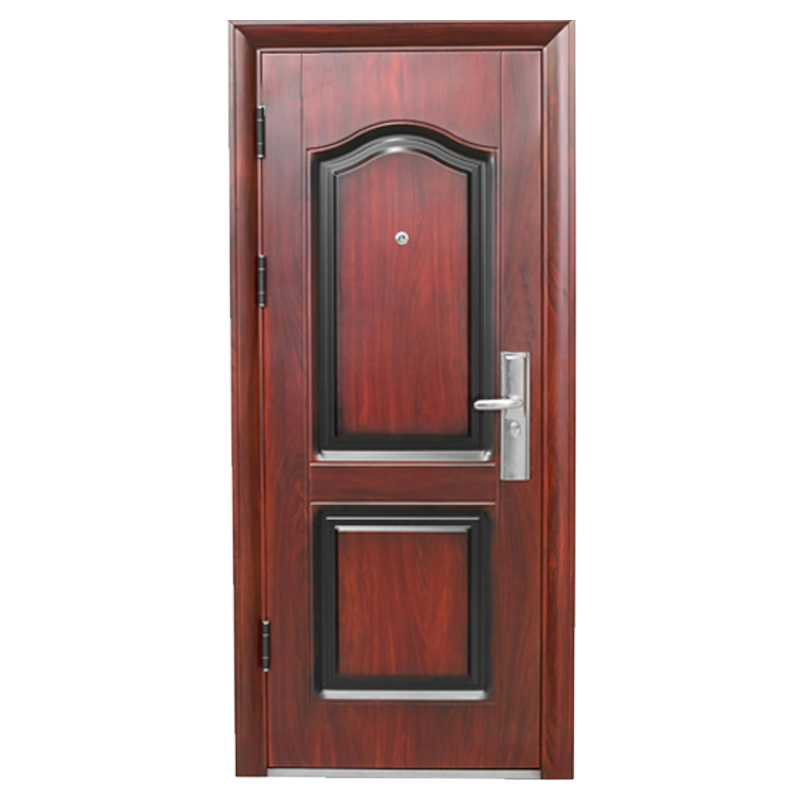
An Entrance Anti-Theft Door is designed to provide security while maintaining durability and aesthetic appeal. These doors are commonly installed in residential apartments, commercial buildings, and secure facilities. Beyond their primary function of preventing unauthorized entry, moisture resistance is a crucial performance factor. Moisture can affect both the structural integrity and appearance of doors, potentially causing warping, corrosion, or paint deterioration.
Materials and Moisture Resistance
The moisture resistance of an entrance anti-theft door largely depends on the materials used. Steel and aluminum frames, combined with treated wooden or composite panels, are common choices. Steel doors are often coated with anti-corrosion layers such as galvanization or powder coating, which protect against rust when exposed to moisture. Wooden panels are usually treated with sealants or waterproof coatings to prevent swelling and warping. Composite materials, which mix wood, metal, and synthetic components, can offer a balance of durability and resistance to moisture while maintaining aesthetic appeal.
Surface Treatments and Protective Coatings
Protective coatings are essential for enhancing moisture resistance. High-quality Entrance Anti-Theft Doors often feature multiple layers of paint, varnish, or polymer coatings. Powder coating is a popular method for metal doors because it creates a uniform, impermeable layer that protects against both moisture and UV damage. For wooden components, water-based or polyurethane sealants penetrate the surface and create a barrier that reduces water absorption. The combination of these treatments ensures that the door can withstand humid climates or occasional water exposure without compromising functionality.
Environmental Factors Affecting Moisture Performance
Even with treated materials, environmental factors play a significant role in moisture resistance. High humidity, frequent rainfall, or proximity to water sources can accelerate wear and affect performance. Indoor ventilation and proper installation also influence how well the door resists moisture. Installing the door with appropriate weatherstripping and ensuring it is slightly elevated from direct water contact can prevent water accumulation at the base. Understanding these factors helps prolong the lifespan of the door and reduces the risk of damage caused by moisture infiltration.
Maintenance for Long-Term Protection
Regular maintenance is key to preserving the moisture resistance of entrance anti-theft doors. Periodic inspection for scratches, chips, or gaps in protective coatings allows timely repairs before moisture penetrates the surface. Cleaning with mild detergents and avoiding harsh chemicals prevents corrosion or degradation of protective layers. Lubricating hinges and locks not only maintains security functionality but also protects against rust in high-humidity conditions. Proper maintenance ensures that the door continues to offer both security and durability over time.
Choosing a High-Quality Entrance Anti-Theft Door
Selecting the right entrance anti-theft door involves evaluating both security features and moisture resistance. Doors from reputable manufacturers use high-grade materials, advanced coatings, and precise construction techniques to enhance water resistance. Customers should consider climate conditions, installation environment, and long-term maintenance requirements when choosing a door. A well-designed door not only prevents unauthorized access but also maintains its structural integrity and appearance even in challenging environmental conditions.
The moisture resistance of an Entrance Anti-Theft Door is a vital aspect of its overall performance. Proper material selection, surface treatment, environmental considerations, and routine maintenance all contribute to long-lasting protection against humidity and water exposure. By understanding these factors, homeowners and property managers can ensure that their doors remain secure, durable, and aesthetically pleasing for years, even in areas prone to high moisture or wet conditions.
Share:
Related Products

 No. 1266, Huajie West Avenue, Yongkang City, Zhejiang Province, China
 [email protected]
 +86-13626793298
 [email protected]
Copyright © Yongkang Chenma Industry and Trade Co., Ltd. All rights reserved.

Sale Entrance Solid Wood Front Doors Manufacturer