 English
 中文简体
中文简体 Français
 Español
 عربى
عربى
Surface Finishing Techniques for Non-Standard Doors
Apr 24, 2026
Understanding Non-Standard Doors
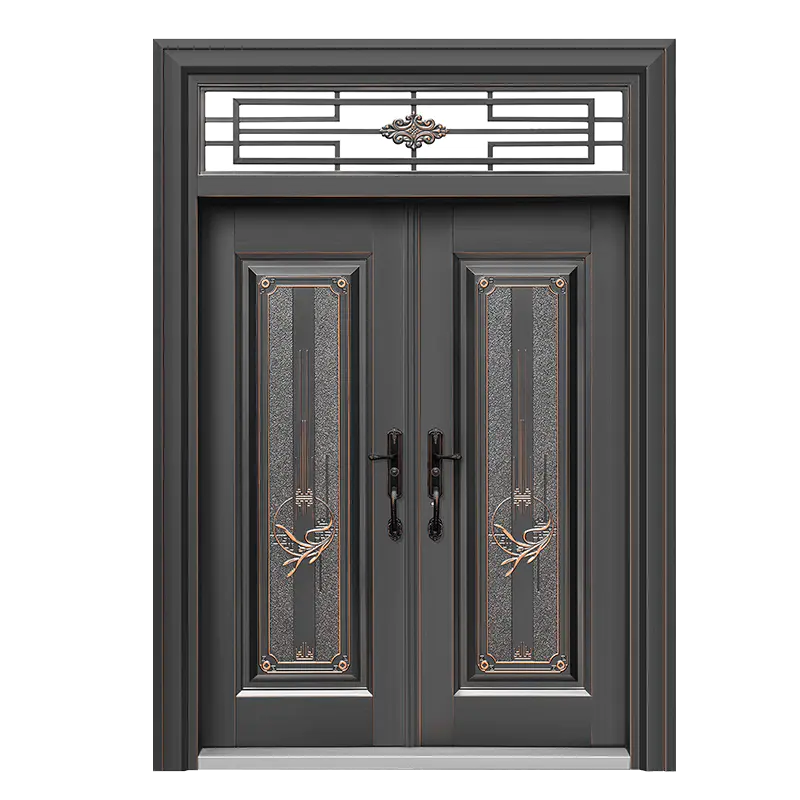
Non-Standard Doors refer to customized doors that do not conform to conventional dimensions, designs, or material specifications. They are commonly used in architectural projects requiring unique aesthetics or functional requirements. Because these doors are tailored to specific needs, surface finishing becomes a critical factor that influences both appearance and durability. Different finishing techniques not only enhance visual appeal but also improve resistance to moisture, wear, and environmental conditions, making the choice of surface treatment essential.
Common Surface Finishing Methods
There are several surface finishing techniques used for non-standard doors, each with distinct characteristics. Painting is one of the common methods, providing color customization and protection against moisture. High-quality paints, including enamel and polyurethane coatings, can create smooth and durable surfaces suitable for indoor and outdoor use. Staining is another popular method, particularly for wooden doors, as it highlights natural wood grain while providing a degree of protection. Stains penetrate the surface rather than forming a film, allowing the wood’s texture to remain visible.
Veneering and Lamination
Veneering involves applying thin layers of high-quality wood or decorative materials onto the door surface. This technique is often used to create luxurious appearances while maintaining cost efficiency by using lower-grade core materials. Lamination, on the other hand, applies a durable plastic or composite sheet to the door surface, providing good resistance to scratches, moisture, and UV exposure. Both veneering and lamination allow for diverse design possibilities, including textures, patterns, and wood-like finishes, making them suitable for high-end custom projects.
Advanced Coating Techniques
Modern finishing methods also include advanced coatings such as powder coating and UV-cured finishes. Powder coating uses a dry powder applied electrostatically and then cured under heat, producing a smooth and resilient surface. This method is ideal for metal or hybrid non-standard doors, offering long-lasting protection and vibrant colors. UV-cured coatings, applied in thin layers and hardened under ultraviolet light, are quick-drying and environmentally friendly, reducing volatile organic compounds (VOCs) while providing a hard, glossy finish.
Factors Influencing Surface Treatment Choice
Several factors determine the appropriate surface finishing technique for non-standard doors. Material type plays a significant role, as wood, metal, glass, or composite doors each require different approaches. Environmental exposure also affects selection; doors intended for humid or outdoor conditions need finishes that resist moisture, corrosion, and fading. Additionally, aesthetic requirements, maintenance considerations, and budget influence the final choice. Consulting with experienced manufacturers ensures that the selected surface treatment aligns with both functional and design goals.
Maintenance and Longevity
The longevity of non-standard doors is heavily influenced by the surface finishing applied. Painted or stained doors may require periodic touch-ups to maintain appearance and protection, while laminated or powder-coated doors typically demand less maintenance. Proper cleaning techniques, avoiding harsh chemicals, and routine inspections help preserve the door’s finish. High-quality finishes not only protect against wear and environmental factors but also enhance the door’s visual appeal, ensuring that custom installations continue to impress over time.
Surface finishing is a critical aspect of Non-Standard Doors, affecting aesthetics, durability, and maintenance requirements. Common techniques include painting, staining, veneering, lamination, and advanced coatings such as powder or UV-cured finishes. Selecting the right method depends on the door material, environmental exposure, design goals, and maintenance preferences. Understanding the differences between these finishing techniques allows designers, builders, and homeowners to achieve both functional and visually appealing outcomes, ensuring that customized doors remain attractive and durable for years.
Share:
Related Products

 No. 1266, Huajie West Avenue, Yongkang City, Zhejiang Province, China
 [email protected]
 +86-13626793298
 [email protected]
Copyright © Yongkang Chenma Industry and Trade Co., Ltd. All rights reserved.

Sale Entrance Solid Wood Front Doors Manufacturer