 English
 中文简体
中文简体 Français
 Español
 عربى
عربى
Practical Care Guidelines for Steel Doors in Wet Areas
Jan 23, 2026
Importance of Proper Maintenance in Humid Spaces
A Kitchen And Bathroom Steel Door is specifically designed to perform in environments where moisture, steam, and temperature fluctuations are common. While steel doors are known for their durability and resistance to warping compared to wooden alternatives, they are not entirely maintenance-free. Daily use in kitchens and bathrooms exposes the door surface and hardware to water vapor, grease, detergents, and airborne contaminants. Without proper care, these factors may gradually affect the appearance, coating integrity, and long-term performance of the door. Understanding routine maintenance principles is, therefore, essential to preserve both function and aesthetics.
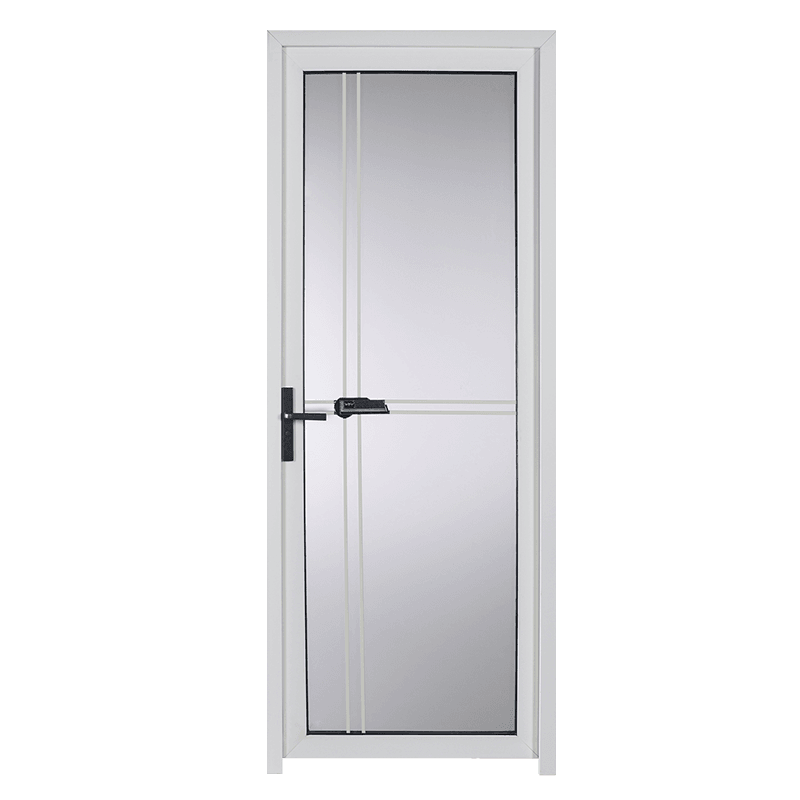
Routine Surface Cleaning for Everyday Protection
Regular surface cleaning is the foundation of steel door maintenance. In kitchen and bathroom environments, splashes, fingerprints, soap residue, and oil particles can easily accumulate on the door panel. A soft cloth dampened with warm water is usually sufficient for daily or weekly cleaning. For more stubborn stains, a mild neutral detergent can be applied without damaging the surface coating. Harsh chemicals or abrasive cleaning tools should be avoided, as they may scratch protective layers or dull the finish. Gentle, consistent cleaning helps prevent buildup that could otherwise trap moisture and accelerate surface wear.
Managing Moisture to Prevent Corrosion Risks
Although modern steel doors are typically treated with anti-corrosion coatings, prolonged exposure to moisture can still pose risks over time. After cleaning, it is advisable to wipe the surface dry, especially around edges, joints, and the lower section of the door, where water may collect. Good ventilation in kitchens and bathrooms further reduces humidity levels, reducing condensation on the door surface. By controlling moisture exposure, users can significantly extend the lifespan of the protective finish and reduce the likelihood of rust forming beneath the coating.
Protecting the Door Finish and Coating Integrity
The surface finish of a steel door plays a critical role in both appearance and protection. Powder-coated or painted finishes act as a barrier between the steel core and the external environment. To preserve this barrier, it is important to avoid impacts, sharp objects, or repeated friction against the surface. When small scratches or chips are noticed, timely touch-up using manufacturer-recommended paint can prevent exposed steel from coming into contact with moisture. Maintaining the integrity of the finish ensures that the door remains visually appealing while retaining its protective properties.
Hardware Cleaning and Functional Maintenance
Door hardware, such as hinges, handles, and locks, is often overlooked during routine cleaning, yet it is essential to overall performance. In humid environments, metal hardware may accumulate grime or experience reduced smoothness over time. Periodic wiping with a dry or slightly damp cloth helps remove residue, while occasional lubrication ensures smooth operation. Well-maintained hardware reduces stress on the door structure and contributes to quiet, effortless opening and closing. Functional maintenance complements surface care by addressing mechanical longevity.
Avoiding Common Cleaning Mistakes
Improper cleaning practices can inadvertently shorten the service life of steel doors. Acidic cleaners, chlorine-based products, or rough scouring pads can damage protective coatings and create micro-scratches that trap moisture. Excessive water use without proper drying may also encourage corrosion at seams and joints. Understanding what not to use is just as important as knowing the correct cleaning methods. Gentle care preserves the engineered properties of the door while preventing avoidable damage.
Long-Term Benefits of Consistent Maintenance
Consistent cleaning and maintenance deliver tangible long-term benefits. A well-cared-for Kitchen And Bathroom Steel Door maintains its original appearance, operates smoothly, and resists corrosion even in challenging environments. Beyond aesthetics, proper maintenance supports hygiene by preventing dirt and moisture buildup, which is especially important in kitchens and bathrooms. Over time, these simple practices protect the investment and enhance the daily user experience.
Share:
Related Products

 No. 1266, Huajie West Avenue, Yongkang City, Zhejiang Province, China
 [email protected]
 +86-13626793298
 [email protected]
Copyright © Yongkang Chenma Industry and Trade Co., Ltd. All rights reserved.

Sale Entrance Solid Wood Front Doors Manufacturer