 English
 中文简体
 Français
 Español
 عربى

Steel Door vs Wood Door: What Is the Difference
Nov 06, 2026
Picking a door takes more than matching a color to the building. The material decides how the door copes with daily use, how much care it needs, how it reacts to weather, and how it fits the space around it. Steel and wood doors both turn up in homes, offices, and industrial buildings, but they meet different needs.
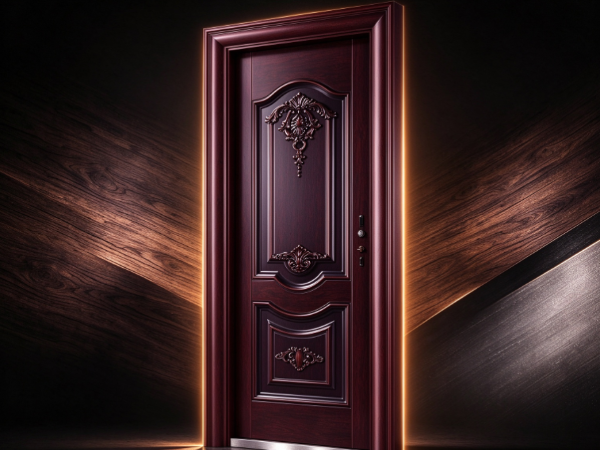
Steel doors are often chosen for strength, security features, and practical upkeep. Wood doors draw people in with natural looks, varied finishes, and the way they suit different interior styles. Neither material fits every job. Door construction, surface treatment, installation quality, and the surrounding environment all shape performance.
For owners, contractors, architects, and purchasing teams, knowing the differences makes the choice easier. Comparing durability, security, weather resistance, maintenance, insulation, appearance, and cost shows which option suits a given project.
What Is the Main Difference Between Steel Doors and Wood Doors?
The main difference is the material the door is built from and how that material responds to everyday conditions.
A steel door usually has a metal outer skin over an internal structure or core. Depending on the design, the core may hold insulating material or other parts that affect strength, weight, and thermal performance. Some steel doors have a plain industrial finish. Others carry decorative panels or coatings that suit homes and commercial spaces.
A wood door is made from natural timber or engineered wood products. It may use solid wood, joined sections, veneers, or a mix. These choices affect its look, stability, weight, and resistance to moisture changes.
Steel gives a manufactured surface with consistent design options. Wood offers natural grain patterns and variations that make each finish look distinct. Both can be made in many styles, but how they look and behave over time depends on construction and finish.
| Feature | Steel Door | Wood Door |
|---|---|---|
| Main material | Steel outer surface with a supporting structure or core | Solid timber, engineered wood, veneer, or combined wood construction |
| Appearance | Smooth, coated, paneled, or wood-look finishes | Natural grain, stained surfaces, painted finishes, or decorative panels |
| Moisture response | Can resist moisture when properly protected, but exposed metal may corrode | Can absorb moisture, swell, shrink, or warp under unsuitable conditions |
| Maintenance | Often involves checking coatings, hardware, and signs of corrosion | May involve checking the finish, joints, moisture damage, and surface wear |
| Design flexibility | Available in functional and decorative designs | Offers varied grain patterns, textures, and traditional or modern styles |
| Common uses | Entrances, utility areas, commercial buildings, and industrial spaces | Interior rooms, residential entrances, offices, and decorative applications |
These are general tendencies, not fixed rules. A well-made wood door can meet demanding requirements, and a poorly finished steel door can fail in a harsh setting. The whole door assembly matters as much as the main material.
How Do Steel Doors and Wood Doors Compare in Durability?
Durability depends on how often a door is used, how much force it meets, and the conditions around it. A door at a busy commercial entrance faces different demands from one in a quiet interior room.
Steel doors can take many everyday impacts without the kind of surface damage softer materials suffer. They're common in utility rooms, service areas, and workshops where practical construction counts. How well one resists damage depends on the steel thickness, internal support, frame, hinges, and overall design.
Steel still wears, though. Dents happen, and scratches can expose the metal underneath. If the protective coating is damaged and moisture gets in, corrosion can start. Repairs may need surface preparation and refinishing to restore protection and looks.
Wood doors respond differently. They can last well in homes and commercial settings when the timber, construction, finish, and installation suit the environment. Scratches and small dents can often be fixed by sanding, filling, or refinishing, depending on the surface and construction.
Moisture is the big factor for wood. Humidity changes make wood expand and contract. Repeated damp exposure can harm joints, finishes, and the door's ability to close properly. Engineered wood can limit some of that movement, but performance still depends on the product design and exposure.
Daily use also wears the hardware. Loose hinges, worn latches, and a misaligned frame can make either type drag or close badly. A durable door needs a suitable frame and well-fitted hardware, not just a strong panel.
For high-use spots, think about expected traffic, the chance of impact, and how easily surface damage can be repaired. Where appearance matters most, the ability to refinish a wood door may tip the decision.
Which Door Material Offers Better Security?
Security depends on more than steel versus wood. The panel, frame, lock, hinges, fastening points, and installation all affect how well an entrance resists unwanted access.
People often pick steel doors where a firm structure and impact resistance matter. Performance also depends on internal reinforcement, lock preparation, hinge design, and how the frame is fixed to the wall.
A steel panel alone doesn't guarantee a secure entrance. A weak frame, an unsuitable lock, or poor installation can still leave weak points. Judge the complete door set, not just the surface material.
Wood doors can give useful security too when built for the purpose. A well-made wood door with good locks, hinges, and a solid frame can suit many homes and offices. The wood type, internal construction, and the door's condition affect how well it resists force.
Some doors are designed for particular security or fire-safety requirements. In those cases, check the product documentation and certification instead of assuming every steel or wood door offers the same protection.
Location is a key part of the decision. An apartment bedroom door, a private office entrance, a main building entrance, and an industrial access door may all have different security needs. Assess the risks first, then choose the material.
How Do Steel Doors and Wood Doors Handle Weather and Moisture?
Environmental conditions can shorten or extend the life of either material, especially outdoors or near damp areas.
Steel doesn't soak up water the way wood does, but it can corrode if its coating is damaged or wrong for the environment. Rain, condensation, salt, and poor drainage raise the risk. Surface treatment, edge protection, hardware materials, and regular inspection all help keep the door in shape.
An exterior steel door needs a finish and construction suited to the expected exposure. Coatings keep metal away from moisture, but damaged spots need attention before corrosion spreads.
Wood takes in and releases water as conditions change. That movement can make a door swell, shrink, or warp. You may see a tight fit, visible gaps, or a latch that's hard to work. Long dampness can also damage finishes and the wood itself.
Good sealing and finishing limit moisture uptake. Suitable overhangs, drainage, and installation details cut rain exposure as well. Even so, wood doors may need periodic refinishing, especially in direct sun and changing weather.
Don't choose either material without thinking about the local climate. A sheltered entrance asks less of a door than a coastal building facing salt and wind-driven rain. An unheated storage area also has different moisture conditions from a climate-controlled office.
For exterior use, check that the entire door assembly is meant for outdoors. The frame, seals, threshold, hardware, and finish all contribute to weather resistance.
Which Door Requires More Maintenance?
Maintenance needs depend on construction, finish, location, and how often the door is used. Steel doors are often linked with simple upkeep, while wood doors may need more care for the finish. Real requirements vary by product and environment.
Steel doors generally need regular cleaning and inspection. Look for scratches, chipped coatings, loose hardware, and rust. Repair damaged finishes with methods suited to the door's coating system.
Hardware needs care too. Hinges, locks, closers, and latches should work smoothly. If the door starts to drag, check the frame and hinge alignment. Fixing small problems early helps prevent more wear.
Wood doors need the same checks, plus closer attention to the finish and signs of moisture damage. Depending on the surface treatment, they may need cleaning, touch-ups, repainting, or refinishing. A change in fit can point to moisture movement or a frame problem.
Some wood finishes show the natural grain, while others use paint for a uniform look. Upkeep differs accordingly. A damaged veneer may also need a different repair from a solid wood panel.
A practical maintenance plan should reflect the door's conditions.
- Inspect the door surface for scratches, cracks, corrosion, or peeling finishes.
- Check hinges, locks, handles, and closing mechanisms for wear.
- Look for gaps around the frame and signs of air or water leakage.
- Keep drainage paths and thresholds clear where the door is exposed to rain.
- Follow the manufacturer's care instructions for cleaning and repairing finishes.
Regular checks help with both materials. The goal is to spot wear before it disrupts normal use or grows into a bigger repair.
How Do Steel Doors and Wood Doors Compare in Insulation and Noise Control?
Insulation depends on the whole door construction. The outer material alone doesn't decide how well a door limits heat transfer or blocks sound between spaces.
Steel conducts heat easily, so a steel door's thermal performance leans heavily on its core, frame, seals, and overall design. Insulated steel doors use internal materials to slow heat transfer. Good sealing around the edges also cuts drafts and unwanted air movement.
Wood conducts heat less readily than steel, but that doesn't mean every wood door insulates better. A thin or badly fitted wood door can still let through plenty of heat or air. A well-designed insulated steel door may outperform a basic, uninsulated wood one.
Sound control follows the same logic. The door's mass, internal construction, fit, and perimeter seals decide how much sound gets through. Gaps around the frame let noise travel even when the panel itself blocks sound well.
For offices, meeting rooms, apartments, and other spaces where privacy matters, look at the acoustic performance of the whole assembly. Solid wood construction may suit some interiors, and purpose-built steel doors can also be designed for specific sound-control needs.
Treat thermal and acoustic needs separately. A door that limits heat transfer doesn't automatically block sound. The frame, seals, threshold, and installation must match the intended use.
Which Material Offers More Design Flexibility?
A door's design shapes how a building feels. The material sets the available textures, finishes, panel styles, and visual details, so appearance often weighs in the decision.
People value wood doors for natural grain and warm character. Different species, stains, paints, and veneers create a wide range of looks. They suit traditional homes, modern interiors, offices, hotels, and other spaces where the door adds to the overall design.
Natural wood also varies from piece to piece. Grain, color differences, and knots give a door its own character. Some projects welcome that. Others need a consistent finish across many openings.
Steel doors offer a different range. Painted finishes, smooth surfaces, decorative panels, and wood-look coatings help them fit various architectural settings. They aren't limited to plain industrial styles, though the look depends on the manufacturing process and the finish you pick.
The surrounding materials can influence the choice as well. Wood goes well with timber flooring, cabinets, and decorative trim. Steel works with glass, concrete, metal frames, and contemporary exterior finishes.
On projects with many doors, consistency may be the main concern. Manufactured finishes help create a coordinated look, while natural wood may need careful selection and finishing to match across multiple openings.
Still, balance design against function. A decorative finish can't stand in for the construction or safety features a particular application requires.
What Should Buyers Consider Before Choosing a Steel or Wood Door?
A good selection process starts with the building's needs, not a preference for one material. Identify where the door will go, how often it will be used, and what conditions it must handle.
Location is the first step. Interior doors may be chosen mainly for privacy, looks, and sound control. Exterior doors also have to handle weather, security, and sealing. Commercial and industrial uses may add requirements for traffic, access control, fire safety, or daily cleaning.
Next, assess the construction. Steel doors vary in core, surface treatment, reinforcement, and hardware preparation. Wood doors vary in timber type, engineered construction, veneer, and finish. These details can affect performance more than the general material category.
Don't overlook installation. A poorly fitted door can leak air, bind against the frame, or fail to close properly. The frame, hinges, lock, threshold, and seals should all suit the door you choose.
Think about long-term care too. Steel doors may need coating repairs if the surface is damaged. Wood doors may need refinishing or closer watching for moisture changes. Your local environment and access to maintenance support can shape the practical choice.
Before ordering, review these points:
- Intended use and location.
- Required security and safety features.
- Exposure to moisture, sunlight, and temperature changes.
- Desired appearance and finish.
- Insulation and sound-control needs.
- Compatibility with the frame and hardware.
- Cleaning, inspection, and repair requirements.
- Product documentation and installation guidance.
Understanding these factors lets you compare complete door systems instead of relying on material labels. Steel and wood can both serve a wide range of building needs, but which one suits you depends on how the door is built, where it's installed, and what the space requires.
Related Products

 No. 1266, Huajie West Avenue, Yongkang City, Zhejiang Province, China
 [email protected]
 +86-13626793298
 [email protected]
Copyright © Yongkang Chenma Industry and Trade Co., Ltd. All rights reserved.

Sale Entrance Solid Wood Front Doors Manufacturer