 English
 中文简体
中文简体 Français
 Español
 عربى
عربى
Structural Design Variations of Modern Spliced Doors
Dec 05, 2025
Introduction to Spliced Door Designs
Spliced Doors are versatile architectural and industrial solutions that combine multiple panels or sections to form a complete door system. These doors are widely used in commercial, residential, and industrial settings due to their adaptability, aesthetic appeal, and functional performance. The structural design of a Spliced Door directly affects its durability, security, insulation, and ease of installation. Understanding the differences in structural design is crucial for selecting the right type of door for specific applications.
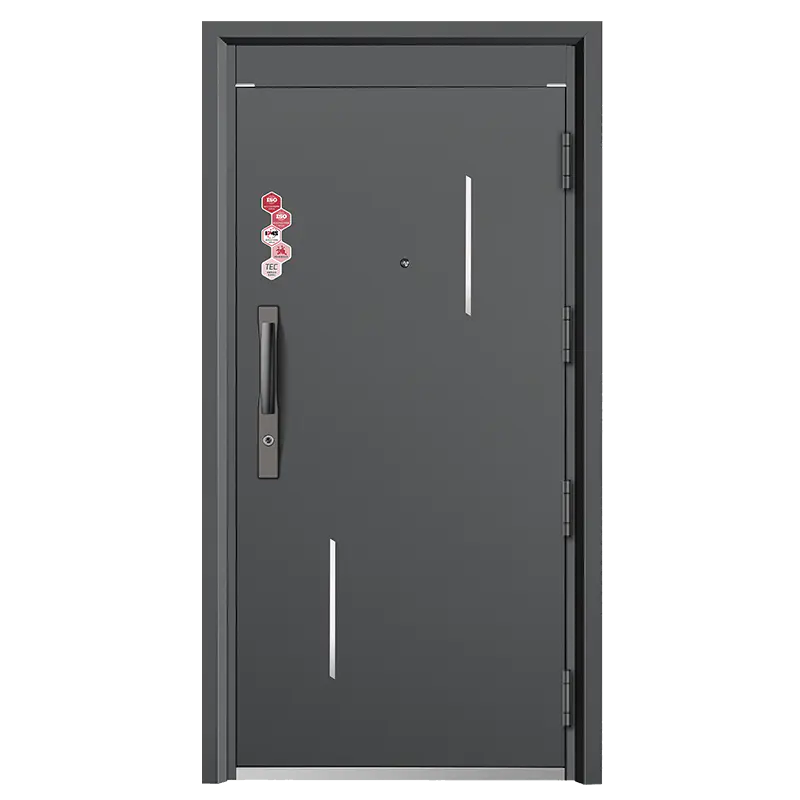
Single-Hinged Versus Multi-Panel Designs
One of the primary structural variations in Spliced Doors is the number of panels and the way they are connected. Single-hinged designs consist of one large panel and are typically easier to install and operate. They are suitable for applications where simplicity and cost-efficiency are priorities. Multi-panel or segmented Spliced Doors consist of several connected panels, often with hinges or sliding mechanisms. These designs allow for larger openings and greater flexibility in operation, making them ideal for industrial or commercial environments where space and accessibility are critical considerations.
Frame and Reinforcement Differences
The frame structure of Spliced Doors varies according to design requirements. Some doors feature reinforced metal frames to provide enhanced security and structural stability. Others utilize lightweight composite materials to reduce overall weight while maintaining adequate strength. Reinforced frames are common in industrial settings where doors may be subject to high impact, wind pressure, or heavy usage. Lighter frames are often used in residential or interior applications, offering ease of use and cost-effectiveness. The choice of frame material and reinforcement directly influences the door’s longevity and resistance to wear and deformation.
Panel Material and Thickness Variations
Another structural factor is the composition and thickness of the individual panels. Panels can be made from solid wood, metal, PVC, glass, or composite materials, each offering different performance characteristics. Solid panels provide high security and durability, while glass or translucent panels enhance aesthetic appeal and allow natural light to pass through. The thickness of panels also affects thermal insulation, acoustic performance, and overall door weight. In a Spliced Door, careful consideration of panel material and thickness ensures that the door meets specific functional and environmental requirements.
Connection and Hinge Mechanisms
Spliced Doors can differ significantly in how panels are joined. Traditional hinge systems connect panels rigidly, allowing the door to swing open or closed smoothly. Sliding or folding hinge mechanisms are also common, especially in multi-panel designs, allowing sections to move independently or stack efficiently to save space. The choice of connection and hinge system impacts not only functionality but also durability and ease of maintenance. Advanced hinge systems may incorporate self-closing or soft-close features for enhanced user experience.
Customization and Modular Options
Modern Spliced Doors often offer modular design options, enabling customization of size, shape, and panel configuration. Modular designs allow users to combine different materials, panel layouts, and operational mechanisms to suit architectural aesthetics or specific functional requirements. Customization ensures that each Spliced Door can be optimized for load-bearing capacity, environmental resistance, and operational efficiency, making these doors highly adaptable across different applications.
The structural design of a Spliced Door greatly influences its performance, functionality, and application suitability. Differences in panel number, frame reinforcement, material selection, thickness, and connection mechanisms provide varied benefits and trade-offs. Understanding these design variations enables architects, engineers, and end-users to select the appropriate Spliced Door for specific environmental conditions, aesthetic preferences, and operational requirements. Well-designed structural variations ensure that Spliced Doors offer durability, safety, and efficiency across a wide range of applications.
Share:
Related Products

 No. 1266, Huajie West Avenue, Yongkang City, Zhejiang Province, China
 [email protected]
 +86-13626793298
 [email protected]
Copyright © Yongkang Chenma Industry and Trade Co., Ltd. All rights reserved.

Sale Entrance Solid Wood Front Doors Manufacturer