 English
 中文简体
中文简体 Français
 Español
 عربى
عربى
Durability of Kitchen And Bathroom Steel Doors in Humid Environments
Dec 12, 2025
Introduction to Kitchen And Bathroom Steel Door Performance
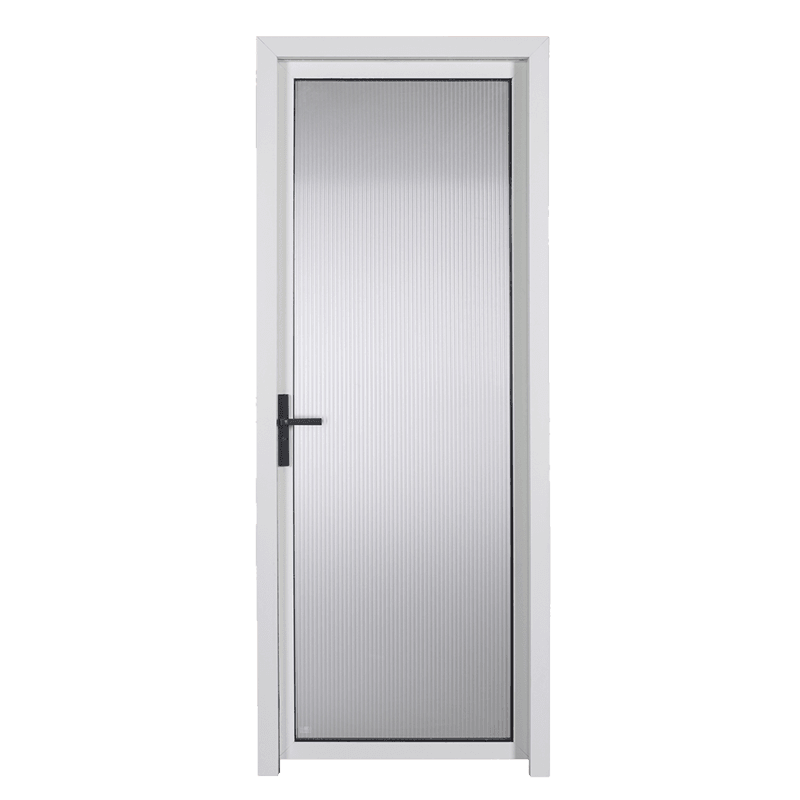
Kitchen and bathroom areas are often exposed to high humidity, frequent temperature fluctuations, and direct contact with water. In these environments, the structural integrity and dimensional stability of doors are critical for both functionality and aesthetics. The Kitchen And Bathroom Steel Door, designed with metal materials and protective coatings, aims to provide durability and resistance to deformation. Understanding how these doors behave under prolonged exposure to moisture and humidity is essential for ensuring long-term performance.
Material Properties and Resistance to Deformation
Steel doors are inherently more rigid and stable than wooden alternatives, offering greater resistance to warping and bending. The type of steel used, along with its thickness and alloy composition, significantly affects the door’s ability to withstand high-humidity conditions. Galvanized or stainless steel, for instance, offers good corrosion resistance and dimensional stability. In contrast, low-quality or thin steel may be prone to expansion, contraction, or slight bending when exposed to persistent moisture, potentially causing misalignment with door frames or difficulty in operation.
Protective Coatings and Surface Treatments
A critical factor in preventing deformation of a Kitchen And Bathroom Steel Door is the application of protective coatings. Powder coatings, enamel paints, and anti-corrosion primers create a barrier between the steel surface and environmental moisture. These coatings not only protect against rust but also reduce the risk of surface swelling or blistering, which can indirectly contribute to structural deformation. High-quality surface treatment ensures that the door maintains both its appearance and mechanical integrity over time, even in consistently damp environments.
Frame and Design Considerations
The door frame and overall structural design play an essential role in reducing deformation. Reinforced frames, cross-bracing, and properly welded or bolted joints enhance rigidity and help the door resist twisting or bending. Additionally, the inclusion of rubber or silicone seals along the edges can reduce direct moisture infiltration into critical areas, mitigating potential warping or swelling caused by water absorption. Doors designed with these structural reinforcements tend to perform better in kitchens and bathrooms, where steam and splashes are common.
Impact of Environmental Conditions
While steel is generally resistant to moisture, prolonged exposure to high humidity, condensation, or frequent temperature changes can still cause minor dimensional changes over time. Continuous contact with water or aggressive cleaning agents may accelerate corrosion in areas where protective coatings are compromised, potentially affecting door alignment and operation. Regular maintenance, such as inspection of coatings, cleaning, and immediate repair of scratches or chips, helps preserve the structural stability of the door.
Maintenance and Long-Term Reliability
To ensure a Kitchen And Bathroom Steel Door remains deformation-free, routine maintenance is essential. Keeping the door dry, avoiding prolonged exposure to standing water, and promptly addressing any corrosion or damage to coatings prolongs the door’s lifespan. High-quality steel doors with robust protective measures can easily withstand the challenges posed by high-humidity environments, offering reliable performance and risk of warping or misalignment over the years of use.
Kitchen And Bathroom Steel Doors are generally well-suited for humid and damp environments due to their inherent rigidity, corrosion-resistant materials, and protective coatings. While prolonged exposure to moisture and temperature fluctuations can create minor challenges, proper material selection, structural design, and regular maintenance significantly reduce the risk of deformation. By addressing these factors, homeowners and facility managers can ensure long-term durability, aesthetic appeal, and smooth operation of steel doors in kitchens and bathrooms, even under challenging environmental conditions.
Share:
Related Products

 No. 1266, Huajie West Avenue, Yongkang City, Zhejiang Province, China
 [email protected]
 +86-13626793298
 [email protected]
Copyright © Yongkang Chenma Industry and Trade Co., Ltd. All rights reserved.

Sale Entrance Solid Wood Front Doors Manufacturer