 English
 中文简体
中文简体 Français
 Español
 عربى
عربى
Impact Resistance of Fire Resistant Windows
Apr 17, 2026
Understanding Fire Resistant Window Strength
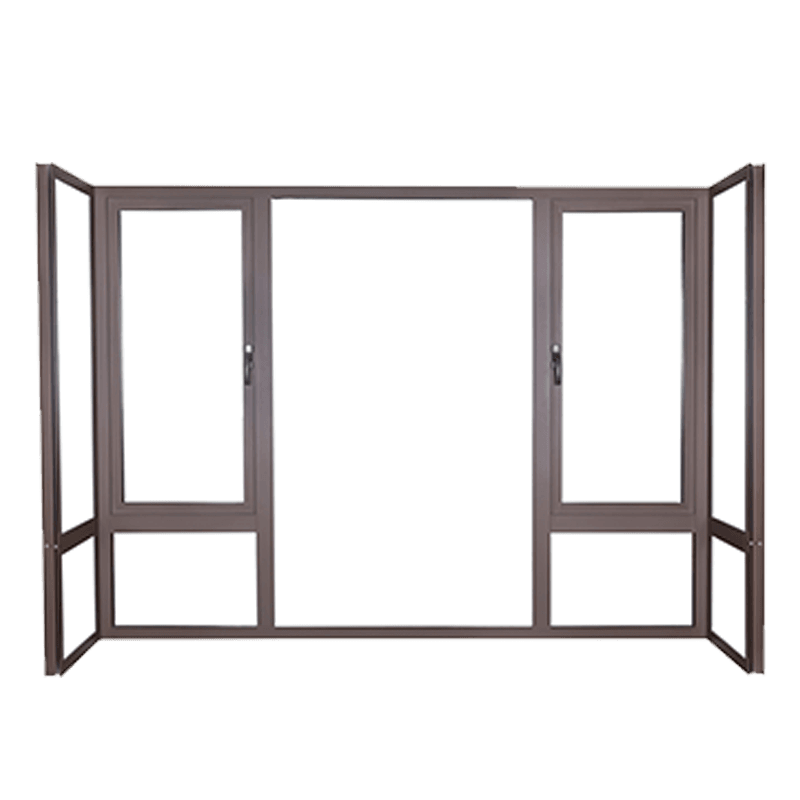
A Fire Resistant Window is designed not only to prevent the spread of fire but also to provide structural integrity under bad conditions. One important aspect of its performance is impact resistance, which determines how well the window can withstand mechanical forces, debris, or accidental collisions. Impact resistance is a critical factor in ensuring safety in both residential and commercial buildings, particularly in areas prone to natural disasters or high-risk environments.
Materials That Enhance Impact Resistance
The ability of a fire-resistant window to resist impact largely depends on the materials used in its construction. Most high-quality fire-resistant windows incorporate multiple layers of tempered or laminated glass combined with reinforced metal frames. Laminated glass consists of two or more sheets of glass bonded together with a strong interlayer, which helps prevent shattering upon impact. The metal frame, often made from steel or aluminum, adds structural support, ensuring that even if the glass cracks, the window remains intact and continues to provide fire protection. Choosing materials specifically engineered for both heat resistance and mechanical durability is essential for achieving suitable impact performance.
Testing Impact Resistance
Manufacturers of fire-resistant windows conduct rigorous testing to measure impact resistance. These tests typically involve applying controlled force to the glass or frame to simulate real-world conditions such as flying debris during storms, accidental collisions, or attempted break-ins. Standardized tests provide a rating system that indicates the level of impact the window can withstand without failure. Understanding these ratings helps consumers and building professionals select the appropriate product for specific safety requirements. Windows with higher impact resistance are particularly important in areas prone to hurricanes, earthquakes, or other natural hazards.
Factors Affecting Impact Performance
Several factors influence the impact resistance of a fire-resistant window. Glass thickness, frame material, window size, and installation quality all play a role. Thicker laminated glass provides greater resistance, while high-quality metal frames distribute impact forces more effectively. Larger windows may require additional reinforcement to maintain strength, and improper installation can compromise performance even with high-quality materials. Environmental factors, such as temperature fluctuations and exposure to moisture, can also affect the durability of both the glass and the frame over time. Regular inspection and maintenance help ensure that windows continue to meet safety standards.
Benefits of High Impact Resistance
Having a fire-resistant window with strong impact resistance offers multiple benefits. It protects occupants from flying debris, reduces the likelihood of glass penetration during accidents, and maintains fire protection even under stress. Buildings equipped with impact-resistant fire windows can better withstand emergencies, reducing damage to property and enhancing overall safety. In commercial settings, such as hospitals, schools, and high-rise buildings, this feature is particularly valuable as it provides an additional layer of protection for both people and critical assets.
Selecting the Right Fire Resistant Window
When selecting a fire-resistant window, it is important to consider both fire rating and impact resistance. Consulting a reputable supplier or manufacturer ensures that the window meets local safety regulations and performance standards. Understanding the environment and potential hazards, such as storm-prone regions or high-traffic areas, allows for informed decisions about glass type, thickness, and frame construction.
Impact resistance is a vital characteristic of a Fire Resistant Window, complementing its ability to prevent fire spread. Through careful selection of laminated glass, reinforced frames, and adherence to testing standards, these windows provide safety and durability under both fire and mechanical stress. Evaluating materials, installation quality, and environmental factors ensures that the window performs as intended, protecting lives and property while offering long-term reliability in diverse settings.
Share:
Related Products

 No. 1266, Huajie West Avenue, Yongkang City, Zhejiang Province, China
 [email protected]
 +86-13626793298
 [email protected]
Copyright © Yongkang Chenma Industry and Trade Co., Ltd. All rights reserved.

Sale Entrance Solid Wood Front Doors Manufacturer