 English
 中文简体
中文简体 Français
 Español
 عربى
عربى
What are Fire Rated Window Screens and How Do They Work
May 22, 2026
Fire rated window screens are protective components used in building openings to support fire safety planning around windows and ventilation areas. They are not designed as standalone fire barriers. Instead, they act as an additional layer that helps maintain stability in window zones when exposed to high-risk conditions.
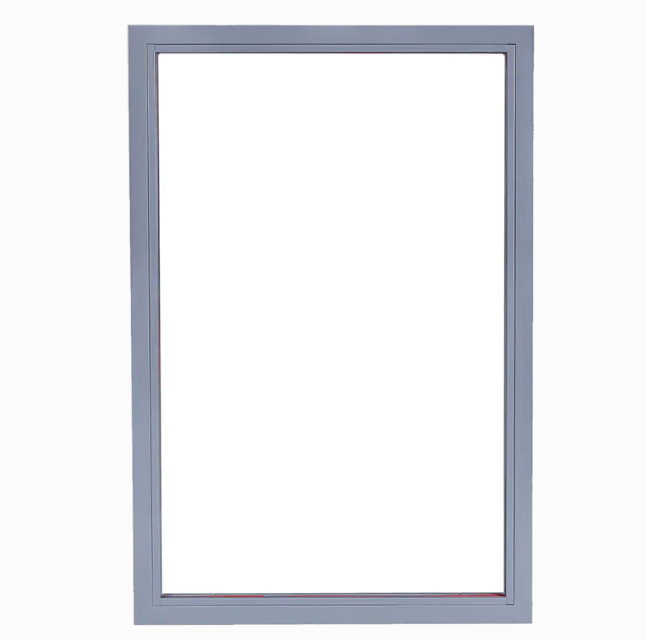
In modern construction, windows are no longer treated only as light or ventilation points. They are also considered structural exposure areas. That shift in thinking is one reason fire window screens are becoming more commonly included in building design discussions.
What makes fire rated window screens different from standard screens?
At a glance, fire window screens may look similar to conventional protective meshes. The difference becomes more noticeable when considering how each behaves under heat or stress conditions.
Standard screens are mainly designed for airflow control, insect protection, or basic separation. Fire rated versions focus more on structural behavior during abnormal conditions.
They are built to maintain shape and integrity for a longer period when exposed to external heat influence. This delayed response is what makes them relevant in safety-oriented environments.
Key differences in function
| Feature | Standard Window Screen | Fire Rated Window Screen |
|---|---|---|
| Primary role | Basic protection and airflow | Structural stability in risk conditions |
| Heat response | Rapid deformation | Delayed structural change |
| Usage focus | Comfort and utility | Safety support integration |
| System role | Standalone component | Part of building safety system |
The distinction is not always visible in daily use. It becomes meaningful only when environmental conditions change significantly.
Where Are Fire Rated Window Screens Commonly Used?
These screens are usually applied in environments where window openings are part of a broader safety consideration.
They are often found in residential buildings, commercial complexes, and public facilities. In such spaces, windows are not isolated elements. They interact with ventilation, lighting, and external exposure.
In many designs, they are placed in areas where airflow must be maintained but additional protective behavior is also expected.
Typical application environments include:
- Residential building façades with exposed window layouts
- Commercial structures with open ventilation design
- Public buildings with controlled internal circulation systems
- Spaces where window openings are part of multi-layer safety planning
The usage is often determined during design rather than added later.
How Do Fire Rated Window Screens Respond To Heat Conditions?
The working principle of fire window screens is based on controlled behavior under heat exposure rather than complete resistance.
When exposed to elevated temperatures, the structure is designed to maintain integrity for a limited period. This allows surrounding systems more time to respond.
Instead of collapsing quickly or deforming immediately, the screen acts as a temporary stabilizing layer.
This behavior can be described in simple stages:
- Initial exposure begins
- Structure remains stable for a controlled period
- Gradual response starts depending on conditions
- System continues to provide partial separation
The purpose is not to eliminate external impact completely but to slow down its influence on interior space.
What Materials Are Typically Used In Fire Rated Window Screens?
Material selection plays a central role in performance. The focus is usually on stability, controlled response, and structural consistency.
Rather than relying on a single material type, more designs combine multiple components to achieve balanced behavior.
Common material structure overview
| Component | Function in structure |
|---|---|
| Surface layer | Initial barrier and exposure control |
| Reinforced mesh | Structural stability under stress |
| Support frame | Shape retention and positioning |
| Connection joints | Load distribution and integrity |
Each part contributes differently. The overall performance depends on how these layers interact rather than how each performs individually.
In many cases, small differences in material balance can influence how the screen behaves over time.
How Does Structural Design Influence Performance?
For fire‑rated window screens, the way they're built matters far more than how they look visually.
Key structural choices like mesh spacing, how layers are stacked, and how rigid the frame is all change how the whole screen holds up when conditions shift.
A tighter build keeps movement well‑controlled but limits air passing through. More open mesh lets air circulate freely yet needs extra reinforcement to stay stable.
Most practical designs avoid going to either extreme, striking a middle ground that balances proper airflow with solid structural safety.
Core structural points to consider are:
- Frame durability when facing outside weather and stress
- Even mesh quality across the entire screen surface
- Firm bonding between layered components
- Balancing open ventilation space with enough support
Every design ends up finding a workable middle point between letting air flow and meeting fire‑safety performance standards.
What Role Does Installation Play In System Behavior?
How well fire‑rated screens are fitted directly decides how they perform in real‑world use.
Even well‑made screens will underperform if mounted loosely or unevenly. Tiny gaps or off‑kilter installation throw off how pressure and stress spread across the whole structure.
Correct fitting ensures:
- Weight and force spread evenly across the frame
- The screen stays securely positioned through changing weather
- Reliable, steady reaction when exposed to fire conditions
In real construction work, installation is treated as part of the screen's overall safety performance, not just a separate finishing step.
How Do Fire Rated Window Screens Interact With Building Systems?
These safety screens never work alone — they are built to fit into the whole building's safety setup.
They connect with standard windows, surrounding frames, air circulation routes, and wall structures. Their effectiveness depends entirely on how smoothly they integrate with these parts.
Mostly they act as a middle barrier between outside surroundings and indoor spaces. They don't take the place of other safety features, but add an extra layer of protection alongside them.
When fitted properly into the building design, the whole safety system works far more steadily through unexpected events.
What Environmental Factors Influence Performance?
Outside conditions slowly shape how fire‑rated window screens hold up over years of use.
Changes in temperature, how strong outside wind flows are, and how often the screen is exposed to harsh elements all gradually affect material stability.
These impacts don't show up right away. Small ongoing changes build up and weaken structural consistency long‑term.
Main outside influences include:
- Regular shifts in hot and cold temperatures
- Ongoing outdoor air movement and wind
- How long and how often the screen faces harsh conditions
- Density and stability of nearby building structures
Settled, consistent surroundings help the screen perform predictably year after year.
How Is Maintenance Linked To Long-Term Stability?
People often overlook regular care, yet it keeps fire‑rated window screens working reliably long‑term.
Built‑up dust, surface scuffs, and small shifts in frame structure slowly lower safety performance over time.
Checking the screen on a routine basis keeps it properly aligned and structurally sound, stopping tiny faults from turning into bigger safety issues.
Key maintenance tasks usually cover:
- Wiping away surface dust and built‑up debris
- Checking that frames remain stable and unbent
- Inspecting joints and connection points for wear
- Making sure the whole screen stays properly aligned
Consistent long‑term safety performance directly relies on keeping these basic conditions well‑maintained.
Why Are Fire Rated Window Screens Becoming More Common?
Today's building designs focus more on stacked layers of safety protection, instead of relying on just one single safety feature.
Fire‑rated window screens fit perfectly into this modern approach. They add extra fire safety without stopping windows from working normally.
They keep air moving through the space, maintain clear visibility, and boost fire safety all at once.
Rather than replacing existing building safety systems, they simply add another dependable layer of control to the overall setup.
What Should Be Considered During Selection?
Selection is usually based on multiple factors rather than a single specification.
Important considerations include structural design, material behavior, installation compatibility, and environmental suitability.
A simple selection checklist may look like this:
- Compatibility with window structure
- Expected environmental exposure level
- Required balance between airflow and protection
- Long-term maintenance conditions
- Installation feasibility
Each factor contributes to overall performance in different ways.
Share:
Related Products

 No. 1266, Huajie West Avenue, Yongkang City, Zhejiang Province, China
 [email protected]
 +86-13626793298
 [email protected]
Copyright © Yongkang Chenma Industry and Trade Co., Ltd. All rights reserved.

Sale Entrance Solid Wood Front Doors Manufacturer