 English
 中文简体
中文简体 Français
 Español
 عربى
عربى
How to Maintain Kitchen and Bathroom Steel Door for Long-Term Use
May 15, 2026
Kitchen And Bathroom Steel Door are often exposed to changing conditions every day. Steam, moisture, cleaning products, and frequent use all shape how these doors age over time. A steel door may look strong at installation, but its long-term performance depends on steady care and simple habits repeated over time.
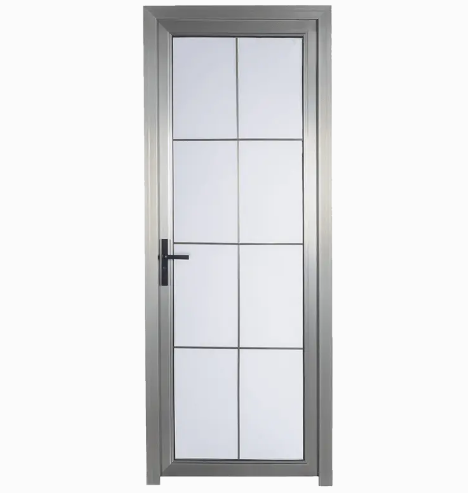
Maintenance is not about complex actions. It is about small routines that prevent slow changes from becoming visible problems. When attention is consistent, the door keeps a stable appearance and smoother operation.
Why Do Kitchen And Bathroom Steel Doors Need Regular Care?
Kitchen and bathroom spaces create a mixed environment. Warm air, water vapor, and cleaning activity all interact with surfaces.
Steel doors in these areas are not static objects. They open and close many times a day. Each movement creates light stress on hinges, edges, and contact points. Over time, this repeated use influences alignment and surface condition.
Moisture is another factor. Even when not directly exposed to water, humidity in these spaces can settle on surfaces. If left unchecked, this may slowly affect appearance and movement.
Regular care helps reduce gradual wear. It also keeps small issues from building up quietly. A door that receives attention tends to maintain smoother function over a longer period.
How Does Daily Cleaning Affect Door Condition?
Cleaning is one of the simplest ways to maintain steel doors. It does not require special methods. The goal is to remove residue before it settles.
In kitchen areas, airborne grease and cooking vapor may lightly attach to surfaces. In bathrooms, moisture and soap traces can remain after use. These small layers are often invisible at first.
A soft cloth with mild cleaning action is usually enough to keep surfaces clear. Strong scrubbing is not necessary and may affect the surface finish over time.
Cleaning also helps maintain visibility of early changes. When the surface is clear, it becomes easier to notice small marks or shifts in condition.
A simple cleaning habit can be summarized like this:
| Area | Common residue | Simple action |
|---|---|---|
| Kitchen door surface | Light grease film | Gentle wipe after use |
| Bathroom door surface | Moisture marks | Dry cloth wipe |
| Door edges | Dust buildup | Regular light cleaning |
| Handle area | Frequent contact marks | Routine wipe-down |
These small steps help maintain a stable appearance without heavy effort.
How Does Moisture Influence Steel Door Performance?
Moisture is one of the common factors in kitchen and bathroom environments. It does not always cause immediate changes, but its long-term effect is gradual.When moisture remains on a surface for extended periods, it can slowly influence texture and appearance. This is more noticeable in areas with limited airflow.Steam from hot water or cooking activity may also settle on the door surface. Over time, repeated exposure creates a pattern of light residue.The key is not to avoid moisture completely, which is not possible in these spaces, but to manage it through routine care.Drying surfaces after heavy use helps reduce accumulation. Even simple airflow improvement in the room can support better surface stability.
What Role Do Hinges And Moving Parts Play In Maintenance?
Hinges are small components, but they carry continuous movement. Every opening and closing motion passes through them.
Over time, repeated movement may cause slight changes in smoothness. A door that once moved quietly may begin to show minor resistance or sound variation.
Regular observation of movement is important. A change in sound or motion is often the visible sign of wear.
Light maintenance on moving parts helps maintain balance. It also prevents unnecessary strain on the door frame.
It is helpful to observe:
- Smoothness during opening and closing
- Any change in sound pattern
- Stability when the door remains open
- Alignment with the frame
These signals often appear gradually rather than suddenly.
How Can Surface Protection Be Maintained Over Time?
The surface of a steel door is not only for appearance. It also acts as a barrier between the environment and the internal structure.In kitchen and bathroom spaces, this surface is exposed to repeated contact, moisture, and cleaning activity. Over time, small marks may appear if care is not consistent.Surface protection relies on gentle handling. Hard impact, sharp contact, or strong abrasive cleaning can affect the outer layer.Regular light cleaning supports stability. It prevents buildup that may slowly change the surface texture.When the surface remains clean and undisturbed, it is easier to maintain a consistent look over time.
What Are Common Signs That Maintenance Is Needed?
Steel doors usually show small signals before larger issues appear. These signs are often easy to overlook at first.
Some common indicators include:
- Slight change in opening resistance
- Minor sound during movement
- Light surface marks that remain after cleaning
- Uneven closing feel
- Dust accumulation near edges
These signs do not always mean serious issues. They often indicate that attention is needed.
Early response helps maintain stable function. Ignoring small changes may allow them to develop into more noticeable conditions.
How Does Environmental Ventilation Support Door Longevity?
Airflow inside kitchen and bathroom spaces plays an indirect but important role in door maintenance.
Good ventilation helps reduce moisture accumulation. When air moves freely, surfaces dry faster after exposure to steam or humidity.
Poor airflow may allow moisture to stay longer on surfaces. This increases the chance of residue forming over time.
Ventilation also helps reduce odor buildup, which can indirectly affect surface cleanliness.
Simple airflow improvements, such as opening windows or using air movement systems, help support door condition without direct intervention.
What Maintenance Habits Help Extend Stable Use?
Long-term performance often depends on repeated small actions rather than occasional intensive care.
A practical maintenance rhythm may include:
- Light cleaning after daily use
- Weekly observation of hinges and edges
- Occasional check of door alignment
- Surface drying in high-moisture conditions
- Gentle handling during frequent operation
These habits do not require extra time when integrated into daily routines. They become part of normal usage patterns.Over time, consistent habits reduce the likelihood of sudden performance changes.
How Does Usage Behavior Influence Long-Term Condition?
Maintenance is not only about cleaning or inspection. Usage behavior also plays a role in how steel doors age.Frequent forceful closing may increase stress on hinges and frame contact points. Gentle movement helps maintain stability.Holding the door in positions for long periods may also affect alignment over time.
Even simple habits, such as avoiding unnecessary impact, contribute to long-term balance.In shared spaces like kitchens and bathrooms, multiple users may interact with the door differently. Consistency in usage helps maintain even wear patterns.
Why Is Consistency More Important Than Occasional Deep Maintenance?
Steel door maintenance does not depend on large, occasional efforts. It depends more on small, repeated actions.When care is consistent, changes happen slowly and remain manageable. When care is irregular, small issues may build unnoticed.
Consistency creates stability. It keeps surface condition, movement, and alignment within a predictable range.This steady approach helps the door remain part of the space without drawing attention through irregular behavior or visible change.
Share:
Related Products

 No. 1266, Huajie West Avenue, Yongkang City, Zhejiang Province, China
 [email protected]
 +86-13626793298
 [email protected]
Copyright © Yongkang Chenma Industry and Trade Co., Ltd. All rights reserved.

Sale Entrance Solid Wood Front Doors Manufacturer