 English
 中文简体
中文简体 Français
 Español
 عربى
عربى
Which Is Better: Wood vs Metal Door for Modern Homes
Sep 18, 2026
Choosing a door for a modern home is no longer only about finding something that closes an opening. A door can influence how a room looks, how an entrance feels, and how well the overall design comes together. Material is one of the decisions that can shape all of these details.
Wood and metal remain two common choices for residential doors. They create very different visual impressions. Wood often brings warmth and a natural feeling. Metal can create a cleaner and more structured appearance. Neither material automatically suits every home.
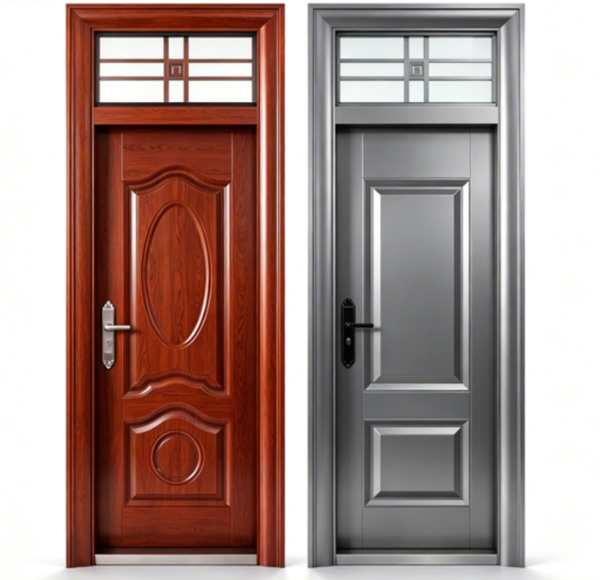
The better choice depends on where the door will be used and what the homeowner expects from it. Interior doors may have different needs from exterior doors. A quiet bedroom may call for a different material choice from a busy entrance. Climate, maintenance habits, design preferences, and the surrounding architecture can all influence the decision.
This is why the question of Wood vs Metal Door is more useful when treated as a comparison rather than a simple competition.
What Is the Main Difference Between Wood and Metal Doors?
The visible difference is the character of each material. Wood has a natural surface and can introduce warmth into a space. Its appearance can range from simple and understated to decorative and traditional. This makes it easy to connect with furniture, flooring, wall finishes, and other interior elements.
Metal has a different visual language. Its surface can appear clean, structured, and modern. It can work well with contemporary spaces where simple lines and a restrained appearance are part of the design. Metal doors can also be finished in different ways, allowing them to fit more than one architectural style.
The difference is not only visual. Each material responds differently to its surrounding environment and to everyday use. Wood can be affected by changes in its surroundings, while metal can require attention to surface condition and protection. These characteristics should be considered before making a choice.
| Consideration | Wood Door | Metal Door |
|---|---|---|
| Visual character | Warm and natural | Clean and structured |
| Design feeling | Traditional, classic, or relaxed | Modern, simple, or industrial |
| Interior use | Often suitable for living spaces | Suitable for contemporary interiors |
| Exterior use | Depends on design and environment | Often considered for practical exterior applications |
| Maintenance | Requires attention to surface condition | Requires attention to surface and hardware |
| Custom appearance | Wide range of finishes and styles | Wide range of finishes and forms |
| Material impression | Natural and tactile | Solid and contemporary |
The right material therefore depends on the relationship between the door and the space around it.
Why Do Modern Homes Use Both Wood and Metal Doors?
Modern residential design does not follow one fixed appearance. Some homes use natural materials and soft colors. Others rely on simple surfaces, strong lines, and a more restrained visual style. Many combine different materials within the same property.
Wood can help soften a modern interior. A room with smooth walls and simple furniture may feel more welcoming when a natural-looking door is introduced. Wood can also connect the door with other natural elements used throughout the home.
Metal can support a different design direction. Its clean appearance can work with glass, stone, concrete, and other contemporary finishes. It can also be useful when homeowners want the door itself to appear visually simple rather than decorative.
The combination of both materials can also be considered. A home does not necessarily need to use the same material for every door. Interior rooms may use wood while selected entrances or utility areas use metal. This approach allows the material to respond to the purpose of each space.
For modern homes, the choice can be influenced by:
- Architectural style — The door should work with the surrounding design rather than look disconnected.
- Room function — Different rooms may have different practical requirements.
- Visual balance — Material can affect whether a room feels warm, light, solid, or structured.
- Maintenance preference — Some homeowners prefer natural surfaces, while others prefer simpler cleaning routines.
- Personal taste — The door remains a visible part of the home and should feel appropriate to the people using it.
This flexibility is one reason the Wood vs Metal Door discussion continues to be relevant in residential design.
Which Material Creates a Warmer Interior?
Wood is naturally associated with warmth. Even when used in a simple door design, its grain and surface character can make a room feel more connected to natural materials. This quality can be useful in bedrooms, living rooms, studies, and other spaces where comfort is important.
The visual effect of wood can also change depending on the surrounding finishes. A wood door can blend with wooden furniture or flooring. It can also provide contrast in a room dominated by painted surfaces. This gives homeowners room to create different visual relationships without changing the basic door function.
Metal tends to create a more structured feeling. In a modern interior, this can be useful when the design focuses on clean forms and simple surfaces. A metal door may work especially well when the surrounding space already uses a restrained material palette.
This does not mean that wood is suitable only for traditional homes or metal is suitable only for industrial spaces. Modern door design has become more flexible. The finish, shape, color, hardware, and surrounding architecture can all change how a material is perceived.
Is Wood or Metal Better for Exterior Doors?
Exterior doors face a different set of considerations from interior doors. They are exposed to changes in the surrounding environment and are often used more frequently. The entrance also has a strong influence on the appearance of the home.
Wood can create a welcoming entrance. Its natural appearance can work well with gardens, stone surfaces, brick walls, and other exterior materials. However, the condition of the door surface needs to be considered over time, especially when the door is exposed to changing outdoor conditions.
Metal can provide a more structured appearance at an exterior entrance. It can also fit homes where the exterior design uses simple lines and modern materials. As with wood, the actual suitability depends on the construction, finish, surrounding environment, and care routine.
Homeowners comparing exterior options can consider:
- How exposed is the entrance to outdoor conditions?
- How often will the surface need attention?
- Does the door need to match other exterior materials?
- Is a natural or contemporary appearance preferred?
- How does the door fit with the rest of the facade?
- What type of maintenance is practical for the household?
The answer may be different for every property. A material that looks suitable in a showroom may create a different impression once it is placed within a specific building design.
How Does Maintenance Differ Between Wood and Metal Doors?
Maintenance is an important part of the Wood vs Metal Door comparison because a door is used repeatedly. Small changes in the surface, hardware, or surrounding frame can become noticeable over time.
Wood generally benefits from regular attention to its surface. Cleaning, checking the finish, and watching for visible changes can help homeowners understand its condition. The surrounding environment can also influence how the material behaves, so outdoor wood doors may need more attention than interior ones.
Metal doors have their own maintenance considerations. The surface should be kept clean, while visible damage or changes in the finish should not be ignored. Moving parts and connections may also require routine inspection, regardless of the door material.
A simple maintenance approach can include:
- Clean the surface regularly. Remove dust and dirt before they build up.
- Check the finish. Look for changes that may affect the appearance of the door.
- Inspect moving parts. Hinges, handles, and other hardware should remain easy to operate.
- Watch the surrounding frame. Problems around the door can affect how it opens and closes.
- Address visible damage early. Small surface problems are easier to manage when they are noticed early.
The maintenance difference is therefore not simply about which material requires more work. It is also about what type of care the homeowner is comfortable providing.
How Does Door Material Affect Modern Interior Design?
A door can become either a quiet background element or a visible design feature. Material plays a major role in deciding which direction it takes.
Wood can add texture to an otherwise simple room. Its natural appearance can break up large areas of smooth surfaces without making the space feel overly decorated. This makes wood useful in modern homes that combine simple architecture with natural details.
Metal can create stronger visual continuity with contemporary materials. When used alongside glass, stone, or other clean surfaces, it can reinforce a modern design language. A simple metal door may also make a narrow or functional space feel more organized.
The surrounding design should always be considered. A door should not be selected separately from the room. Wall color, flooring, furniture, lighting, handles, and other visible elements can all influence whether the material feels appropriate.
| Interior Style | Wood Door May Add | Metal Door May Add |
|---|---|---|
| Warm modern | Natural texture | Clean contrast |
| Minimal interior | Soft visual detail | Simple structure |
| Traditional-modern mix | Familiar character | Contemporary balance |
| Industrial-inspired space | Material contrast | Strong visual connection |
| Natural interior | Organic feeling | Defined separation |
This comparison shows why there is no universal answer. The same material can produce a very different effect depending on the space around it.
Can Wood and Metal Doors Be Customized for Different Homes?
Customization has become an important part of residential door selection. Homeowners may want a door to match the architecture rather than simply choose from a standard appearance. Material is only one part of that process.
Wood offers many possibilities through surface treatment, shape, panel arrangement, and finish. It can be designed to appear subtle or decorative. The natural character of the material can also remain visible when that is part of the desired appearance.
Metal offers its own range of design possibilities. A clean surface can support a minimalist appearance, while different forms and finishes can create a more distinctive entrance. Metal can also be combined with other materials when the design calls for contrast.
When discussing a customized door, buyers can provide information about:
- Where the door will be installed
- The desired visual style
- The surrounding wall and floor finishes
- The preferred surface appearance
- The expected frequency of use
- The preferred maintenance approach
- Whether the door needs to coordinate with other doors in the home
Clear communication can make the selection process easier. It also helps manufacturers understand whether the project calls for a wood door, metal door, or a combination of materials.
What Should Homeowners Consider Before Choosing Wood or Metal?
The useful approach is to begin with the space rather than the material. Consider where the door will be installed, how it will be used, and what role it should play in the overall design.
For an interior room, appearance and atmosphere may carry more weight. For an exterior entrance, environmental exposure and maintenance may become more important. A door between frequently used spaces may also need to be considered differently from a door used only occasionally.
A practical selection process can follow these steps:
- Define the location. Decide whether the door is for an interior room, entrance, utility area, or another space.
- Consider the surrounding design. Look at walls, floors, furniture, windows, and other doors.
- Choose the desired visual character. Decide whether the space needs warmth, contrast, simplicity, or a more structured appearance.
- Review maintenance expectations. Think about how much routine care is realistic.
- Compare customization options. Check whether the material can achieve the desired shape, surface, and finish.
- Consider long-term use. The door should remain practical as the household's needs change.
- Discuss the application with the manufacturer. A suitable manufacturer can help match material and construction choices with the intended use.
For modern homes, the Wood vs Metal Door decision is less about choosing a universal winner and more about matching the material to the home. Wood can bring natural texture and warmth. Metal can create a clean and structured appearance. Both can work within modern residential design when their characteristics are considered alongside the room, entrance, surrounding materials, and maintenance expectations.
Related Products

 No. 1266, Huajie West Avenue, Yongkang City, Zhejiang Province, China
 [email protected]
 +86-13626793298
 [email protected]
Copyright © Yongkang Chenma Industry and Trade Co., Ltd. All rights reserved.

Sale Entrance Solid Wood Front Doors Manufacturer