 English
 中文简体
中文简体 Français
 Español
 عربى
عربى
How Classic Steel Door Prevents Warping and Deformation
Feb 24, 2026
A Classic Steel Door has long been a popular choice for residential and commercial buildings due to its durability, security, and low maintenance. Unlike wooden doors, steel doors are less susceptible to environmental factors such as humidity, temperature changes, and insect damage. However, even steel doors can experience deformation over time if not properly manufactured or installed. Understanding how a Classic Steel Door is designed and what measures are taken to prevent warping is essential for homeowners and builders who want long-lasting performance and a reliable investment.
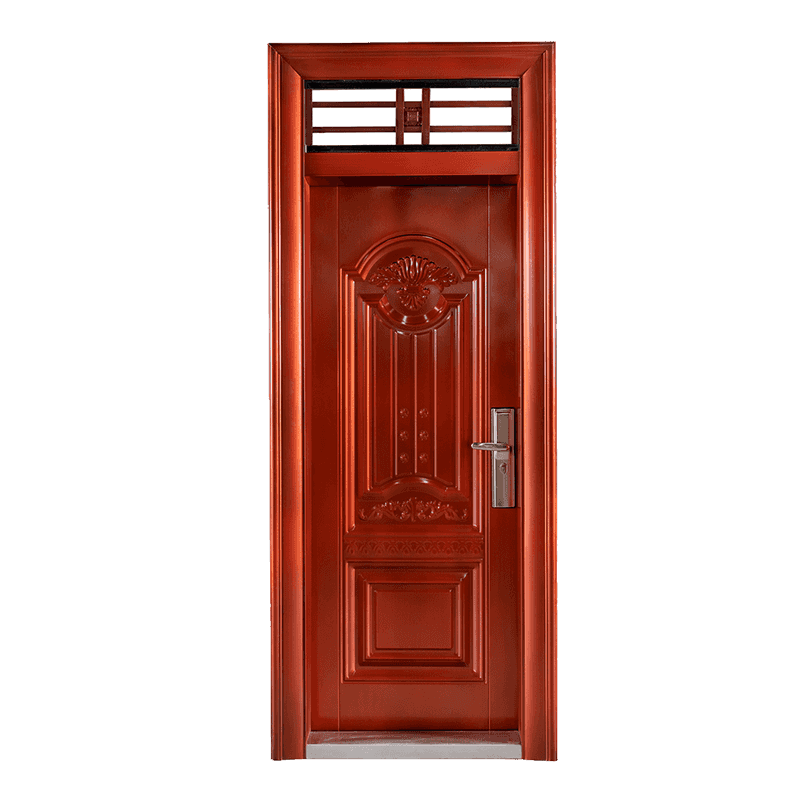
Material Selection and Thickness
The one step in preventing deformation in a Classic Steel Door is the selection of high-quality materials. Steel doors are typically made from galvanized or cold-rolled steel sheets, which are resistant to rust and corrosion. Thicker steel panels increase rigidity and reduce the risk of bending or warping under pressure. Some designs incorporate reinforced steel frames around the perimeter and crossbars inside the door to add structural strength. The combination of durable steel and reinforced internal components ensures that the door maintains its shape even after years of daily use and exposure to environmental stressors.
Proper Manufacturing Techniques
Manufacturing processes play a critical role in maintaining the structural integrity of a Classic Steel Door. Precision cutting, welding, and assembly prevent weak points that could cause deformation. Many doors are made using advanced stamping or molding techniques that create a uniform thickness across the panel, reducing the likelihood of stress concentrations. Additionally, some steel doors undergo heat treatment or other tempering processes to increase hardness and flexibility, allowing the door to resist bending under force without cracking or breaking. High-quality coatings are also applied to protect the steel from moisture, further reducing the risk of long-term warping.
Installation and Environmental Considerations
Even the Classic Steel Door can deform if improperly installed or exposed to bad conditions. Ensuring a level and secure frame is essential, as uneven hinges or loose fittings can cause the door to twist over time. Proper sealing around edges and joints prevents moisture from entering the core of the door, which could weaken internal materials and cause bending. Environmental factors such as direct sunlight, high humidity, or temperature fluctuations should be considered when choosing a location for the door. Doors installed in sheltered areas or with proper insulation are less likely to experience deformation.
Maintenance for Longevity
Routine maintenance is also important to prevent deformation. Regular inspection of hinges, locks, and seals ensures that the door operates smoothly and that no components are under undue stress. Cleaning the surface to remove dust, dirt, and moisture helps maintain the protective coating, preventing corrosion that could compromise structural integrity. Lubricating moving parts reduces friction and reduces the strain on the steel panel. With consistent care, a Classic Steel Door can remain straight and functional for decades.
A Classic Steel Door prevents warping and deformation through a combination of high-quality materials, reinforced internal structures, precision manufacturing, proper installation, and regular maintenance. Galvanized or cold-rolled steel, reinforced frames, and advanced assembly techniques provide rigidity, while protective coatings and environmental considerations reduce the risk of long-term damage. By understanding these factors, homeowners and builders can ensure that a Classic Steel Door remains straight, secure, and aesthetically pleasing for years, making it a reliable choice for both interior and exterior applications.
Share:
Related Products

 No. 1266, Huajie West Avenue, Yongkang City, Zhejiang Province, China
 [email protected]
 +86-13626793298
 [email protected]
Copyright © Yongkang Chenma Industry and Trade Co., Ltd. All rights reserved.

Sale Entrance Solid Wood Front Doors Manufacturer