 English
 中文简体
中文简体 Français
 Español
 عربى
عربى
Sealing Performance of Entrance Fire Doors Against Dust
Dec 26, 2025
Introduction to Entrance Fire Door Sealing
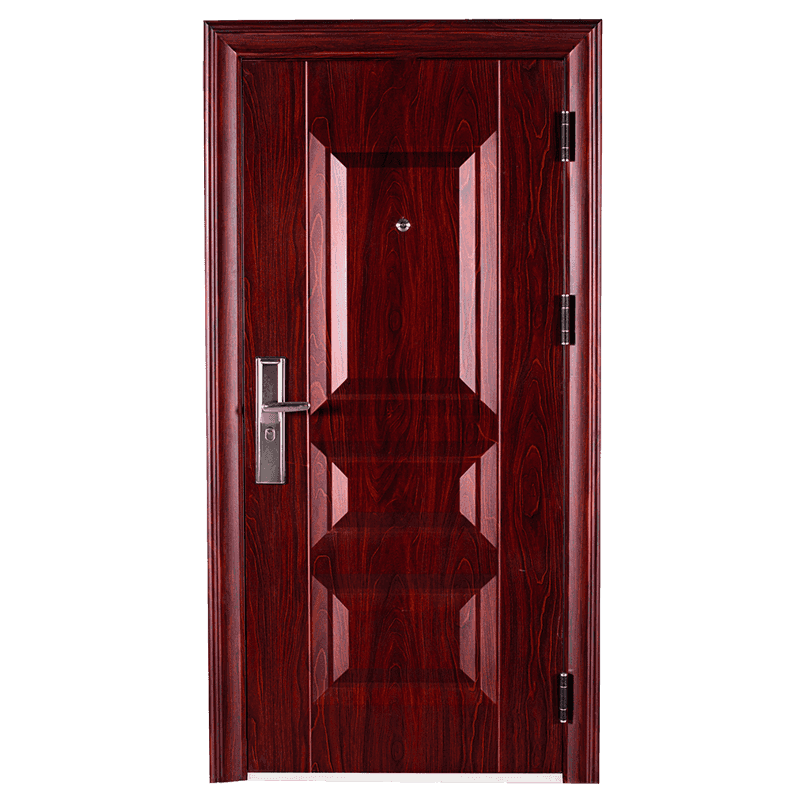
Entrance Fire Doors are critical safety components in buildings, designed primarily to prevent the spread of fire and smoke. Beyond fire protection, their sealing performance is essential for preventing dust, water, and other contaminants from entering controlled spaces. Ensuring effective sealing improves indoor air quality, protects sensitive equipment, and enhances overall building safety. The design, materials, and installation of Entrance Fire Doors play key roles in achieving good dust and water resistance.
Material Selection for Sealing
The materials used in Entrance Fire Doors greatly influence their ability to resist dust and water penetration. High-quality steel or aluminum frames provide structural stability, while composite or coated panels enhance durability and water resistance. Flexible sealing strips, gaskets, and brushes made of silicone, EPDM, or other resilient materials are commonly applied along door edges and between the door leaf and frame. These materials maintain elasticity over time, filling gaps and preventing dust or water from entering even under repeated door operation.
Door Leaf and Frame Precision
Accurate manufacturing and tight tolerances between the door leaf and frame are crucial for sealing performance. Any gaps or misalignment can compromise the ability of the Entrance Fire Door to prevent dust or water ingress. Advanced production techniques, such as CNC machining and precision welding, ensure consistent alignment and uniform clearances. Reinforced frames and edge profiles further reduce potential entry points, maintaining an effective barrier against environmental contaminants.
Sealing Mechanisms and Design Features
Entrance Fire Doors incorporate multiple sealing mechanisms to achieve dust and water resistance. Automatic drop-down seals are often installed at the bottom of the door, closing tightly against the threshold when the door is shut. Compression seals along the vertical edges create continuous contact with the frame, preventing gaps that could allow dust or water penetration. Some doors also feature overlapping edge designs or double seals to enhance protection, particularly in areas with high humidity or airborne particles.
Testing and Certification
Sealing performance is verified through rigorous testing, simulating real-world conditions such as wind-driven rain, dust exposure, and smoke infiltration. Standardized tests evaluate water resistance by applying pressurized water to the door surface, while dust resistance tests measure particle penetration under controlled airflow. Entrance Fire Doors that pass these tests assure that the sealing system effectively protects against environmental contaminants while maintaining fire protection capabilities.
Maintenance and Longevity
Regular maintenance is essential to ensure long-term sealing effectiveness. Inspection of gaskets, brushes, and drop-down seals for wear or damage allows timely replacement, maintaining performance over years of operation. Lubrication of moving parts and adjustment of mechanical seals prevent deformation or loss of contact pressure, ensuring continuous dust and water protection.
The sealing performance of Entrance Fire Doors is achieved through a combination of high-quality materials, precise manufacturing, and advanced sealing mechanisms. Properly designed and maintained doors effectively prevent dust and water ingress while fulfilling their primary fire protection function. By integrating resilient gaskets, drop-down seals, and precise frame alignment, Entrance Fire Doors provide reliable protection against environmental contaminants, enhancing building safety, hygiene, and occupant comfort.
Share:
Related Products

 No. 1266, Huajie West Avenue, Yongkang City, Zhejiang Province, China
 [email protected]
 +86-13626793298
 [email protected]
Copyright © Yongkang Chenma Industry and Trade Co., Ltd. All rights reserved.

Sale Entrance Solid Wood Front Doors Manufacturer