 English
 中文简体
中文简体 Français
 Español
 عربى
عربى
How Do You Choose A Reliable Front Entry Door Companies
May 29, 2026
Choosing a Front Entry Door Companies sounds straightforward at first. Many homeowners only think about appearance or price. But once the process begins, the details become more noticeable. Door structure, installation quality, service response, and long-term durability all depend on the company behind the product.
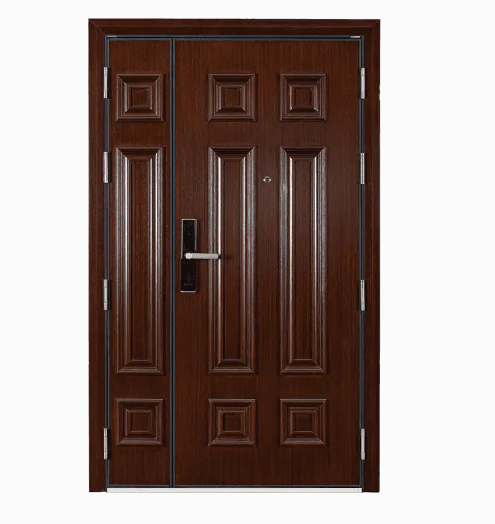
A front door is not only a visual element. It affects security, insulation, and daily use. Because of that, selecting the right company becomes less about browsing options and more about understanding how those companies actually operate.
What Should You Notice About A Company's Experience?
Experience in this field is not only about how long a company has existed. It is also about the type of projects they handle and how consistent their work appears over time.
A company with stable experience usually shows:
- Familiarity with different home structures
- Ability to handle varied door styles
- Consistent installation practices
- Clear communication during project planning
Experience often becomes visible in small details. Smooth alignment, stable fitting, and reduced adjustment needs after installation are often signs of practiced work rather than rushed execution.
How Important Is Material Selection In Door Companies?
Front entry doors come in different materials, and companies usually guide customers through these options. The way a company handles material selection often reflects its reliability.
Good companies tend to:
- Explain differences in material behavior
- Match materials with environment conditions
- Avoid pushing a single option for all cases
- Focus on long-term usability rather than appearance alone
Material choice affects daily performance. It influences how a door reacts to weather, how it feels during use, and how long it maintains its structure.
A company that understands this relationship usually provides more balanced recommendations.
What Role Does Installation Quality Play In The Final Result?
Even a well-designed door can underperform if installation is not handled properly. Alignment, sealing, and structural fit all depend on the installation team.
When evaluating a company, it helps to observe how they approach installation work:
- Whether measurements are carefully checked
- How they prepare the opening before fitting
- How the door behaves after installation
- Whether adjustments are needed repeatedly
A properly installed front door should open smoothly without resistance. It should also sit evenly within the frame, without visible gaps or pressure points.
Installation is often where differences between companies become noticeable.
How Do Companies Handle Design And Custom Requests?
Homeowners pick front entry doors for looks just as much as how well they work. Some go for plain, simple styles, while others want detailed custom designs that match their home's exterior look.
Trusted suppliers keep their design process organized but flexible. They take what customers want into account, while also giving honest practical advice.
When handling custom designs, good businesses focus on these key points:
- Clearly laying out all available design choices for customers
- Tweaking door styles to match the overall look of the house
- Keeping proper sizing and visual balance in mind
- Making sure decorative details never hurt the door's real‑world function
Quality design work never rushes customers into quick choices. There is enough time to compare different styles and make small changes before locking in the final design.
What Should You Expect From Communication And Service?
The way a company talks to customers usually shows how well it runs overall. Slow replies, confusing answers or inconsistent project updates often point to internal problems behind the scenes.
Well‑run door businesses stick to these solid communication habits:
- Giving clear timeframes for replying to messages
- Explaining product and service details in plain, easy‑to‑follow language
- Keeping customers updated steadily through every step of the project
- Taking time to answer questions about installation and product features
Quality service does not end once a sale is made. It stays consistent through planning, installation and any follow‑up adjustments. This long‑term support is where you can truly tell how dependable a business is.
How Do You Evaluate Security And Durability Claims?
Front entry doors play a major role in keeping homes safe. Most suppliers advertise strong, long‑lasting doors, yet many do not fully back up these promises with real details.
Rather than only trusting marketing statements, check real‑world performance with these practical points:
- How tightly the door sits inside its frame
- Whether lock areas feel solid and secure when tested
- How door materials hold up with regular daily use
- If the door moves smoothly without shifting over time
Durability is not just about how tough a door feels brand‑new. It comes down to performance after years of opening and closing, outdoor weather exposure and everyday wear and tear.
Dependable door makers prioritize long‑term reliability over just making the door look impressive right out of the box.
What Do Pricing Differences Usually Reflect?
Price variation between companies is common in this industry. However, price alone does not always indicate quality.
Differences in pricing often come from:
- Material selection range
- Installation approach and labor involvement
- Design complexity
- Level of customization offered
- Service structure before and after installation
Instead of focusing only on the final number, it is more useful to understand what is included in the overall process.
A lower price may limit service depth. A higher price may include more detailed support. The key is understanding what is actually being delivered.
How Can You Compare Multiple Companies Effectively?
Comparing companies becomes easier when the focus shifts from advertising claims to practical behavior.
A simple comparison approach includes:
- Observing how clearly they explain their process
- Checking how they respond to questions
- Reviewing how they handle design discussions
- Noting how detailed their installation plan appears
- Looking at how they describe long-term support
Comparison is less about finding the "most attractive option" and more about identifying consistency across communication, planning, and execution.
A Simple Overview Of Evaluation Factors
| Evaluation Area | What To Observe | What It Suggests |
|---|---|---|
| Experience handling | Variety of past work | Familiarity with real conditions |
| Material guidance | Clarity of explanations | Practical understanding |
| Installation approach | Precision and stability | Execution quality |
| Design support | Flexibility and advice | Customer-oriented thinking |
| Communication style | Clarity and consistency | Service reliability |
| Durability focus | Long-term performance discussion | Product responsibility mindset |
What Makes A Company Easier To Work With Over Time?
Some companies feel easier to work with not because of a single strong feature, but because of consistency across all stages. From initial contact to final installation, the experience remains stable and predictable.
This includes clear explanations, steady communication, and a structured approach to installation. When all parts align smoothly, the process feels more manageable for homeowners.
Reliability in this field is often less about dramatic differences and more about small, steady details repeated correctly across each step.
Share:
Related Products

 No. 1266, Huajie West Avenue, Yongkang City, Zhejiang Province, China
 [email protected]
 +86-13626793298
 [email protected]
Copyright © Yongkang Chenma Industry and Trade Co., Ltd. All rights reserved.

Sale Entrance Solid Wood Front Doors Manufacturer