 English
 中文简体
中文简体 Français
 Español
 عربى
عربى
How to Compare Front Entry Door Companies
Jul 03, 2026
Choosing a Front Entry Door Companies company often starts with a simple goal. A buyer wants a door that fits a space and matches a style. Yet as the search moves forward, the focus shifts. The decision becomes less about the door itself and more about the company behind it.
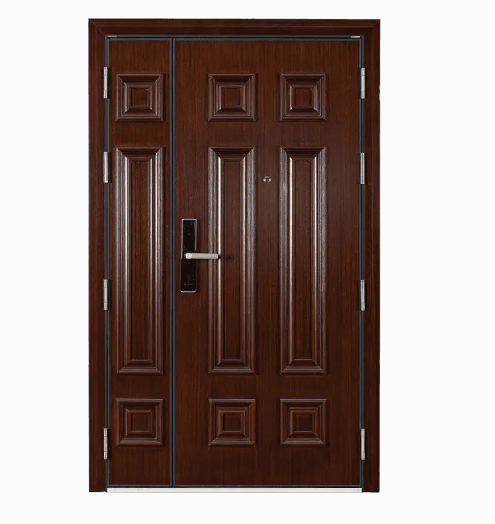
Different companies may offer similar products on the surface. Photos look alike. Descriptions sound familiar. Over time, small differences begin to shape the final choice. These differences are not always obvious at the beginning, but they become clear during comparison.
This is why many buyers take time to review how companies work, not just what they sell.
What matters beyond the door itself?
A door is a finished product, but it comes from a process. That process includes design, preparation, communication, and delivery. Looking only at the product may hide how that process works.
Some companies present their offerings in a clear and structured way. Others provide limited detail. This difference can affect how easily a buyer understands what to expect.
It helps to look at how information is shared. Are product details easy to follow? Are options explained in a simple way? Clear presentation often reflects an organized internal system.
When comparing companies, stepping back from the product view allows a more complete understanding of the supplier.
How does product range influence comparison?
Product range gives an early signal of how a company operates. A wide range suggests exposure to different design needs. A focused range may indicate a narrow but consistent offering.
Both approaches can work, depending on the project. A large project with varied design needs may benefit from a broader selection. A uniform project may require consistency instead.
It is useful to observe how products are grouped. Clear categories and logical arrangement make it easier to compare options. Disorganized listings can slow down decision-making.
Product range is not only about quantity. It is about how well the options match real project needs.
Why is customization worth attention?
Customization often appears in product descriptions, but its depth can vary. Some companies allow small adjustments. Others support more flexible changes.
A buyer can learn a lot by asking simple questions about customization. How are changes handled? Are options explained clearly? Is the process easy to follow?
When customization is well organized, it becomes part of a smooth workflow. When it is unclear, it can create delays and confusion.
Customization also shows how adaptable a company is. Flexible systems tend to support more varied project requirements.
How can communication reveal company strength?
Communication is one of the easiest areas to observe during comparison. It does not require technical knowledge. It only requires attention to how responses are given.
Clear replies show that the company understands the question. Direct answers reduce the need for repeated explanations. Consistent follow-up shows reliability.
Slow or unclear responses may not seem important at first. Over time, they can affect the pace of a project. Misunderstandings can grow when communication is not stable.
In many cases, the way a company communicates early on reflects how it will handle later stages.
What can you learn from process clarity?
You don't need deep industry expertise to judge how well a brand lays out its production process. Some suppliers break down every workflow step plainly, while others only give vague, broad summaries.
A straightforward process layout removes guesswork. It lays out the full journey of raw materials all the way to finished goods, and lets clients see where their custom requirements fit into the whole sequence.
Clearly outlined steps make scheduling and cooperation far simpler. Unclear, ambiguous workflows often trigger unplanned adjustments further down the line.
Businesses that lay out their process openly usually have orderly internal operations.
How should delivery and handling be compared?
Many people treat delivery as just the last stage of an order, yet it shapes the whole purchasing experience, and every supplier manages shipping differently.
Some sellers fully outline product packing and transit protocols upfront. Others only share relevant details late into the order cycle.
When comparing service options, check how openly they explain delivery: Are all procedures easy to follow? Can you quickly grasp the full schedule? Will they assist with coordination work?
Pre-shipping preparation also falls under handling. Proper prepping cuts down damage and hiccups during transit and on-site setup.
Going over shipping rules at an early stage avoids messy misunderstandings down the line.
Why does service after ordering matter?
Many decisions focus on the period before placing an order. Yet the period after ordering can be just as important.
Buyers may need updates, adjustments, or simple confirmation during production and delivery. A company that remains responsive during this stage helps maintain confidence.
Service after ordering is not only about solving problems. It is also about keeping communication open.
Early interactions often give clues about how a company will respond later. Consistent behavior during the inquiry stage usually continues through the rest of the process.
How can you organize a clear comparison?
When reviewing several companies, it can be helpful to use a simple structure. This keeps the comparison focused and reduces confusion.
Below is a basic reference table that highlights common comparison points:
| Area of Comparison | What to Look For |
|---|---|
| Product range | Variety and clarity of options |
| Customization | Flexibility and ease of changes |
| Communication | Clarity and response pattern |
| Process clarity | Simple and understandable workflow |
| Delivery handling | Transparency and coordination |
| Service support | Responsiveness after order |
This approach does not rely on technical details. It focuses on practical aspects that affect daily cooperation.
What small details often show larger patterns?
Small details can reveal how a company operates. These details may appear minor, but they often reflect deeper habits.
For example, how information is organized can show how internal systems are managed. The tone of communication can reflect how customers are treated.
Consistency is another detail worth observing. If answers change often or lack clarity, it may suggest gaps in coordination.
Paying attention to these signals helps form a more complete view of each company.
How does long-term cooperation shape comparison?
Lots of buyers don't just place one-off orders; they aim to keep ordering and build lasting partnerships.
For these clients, reliable consistency matters more than temporary perks. Suppliers that keep steady communication and uniform product quality are far simpler to collaborate with long term.
Long-term working relationships also rely on a supplier's ability to adjust. Flexible production setups can accommodate new demands without holding up your schedule.
Judging suppliers with future repeat orders in mind lets you plan ahead, instead of only catering to your current short-term demands.
Why is balance more useful than focusing on one strength?
It's easy to fixate on one standout selling point of a supplier — fast reply times, a broad product catalog, or highly customizable goods, for example.
But banking entirely on that one strength makes you ignore other critical downsides. A well-rounded supplier might not excel dramatically in any single area, yet they deliver a far more seamless full-cycle experience.
Prioritizing balance lowers your operational risks. You won't run into issues where one major advantage gets canceled out by severe flaws elsewhere.
Buyers who weigh all factors comprehensively find it much less stressful to oversee the whole order process, from initial inquiries all the way through final delivery.
Share:
Related Products



 No. 1266, Huajie West Avenue, Yongkang City, Zhejiang Province, China
 [email protected]
 +86-13626793298
 [email protected]
Copyright © Yongkang Chenma Industry and Trade Co., Ltd. All rights reserved.

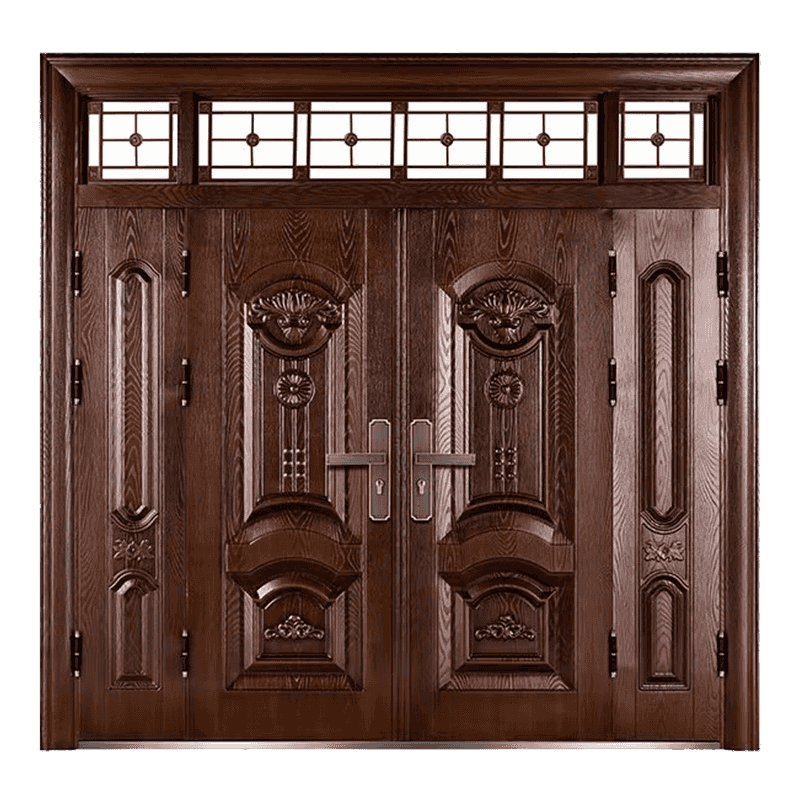
Sale Entrance Solid Wood Front Doors Manufacturer