 English
 中文简体
中文简体 Français
 Español
 عربى
عربى
Impact and Scratch Resistance of Fire Resistant Windows
Jan 02, 2026
Introduction to Fire Resistant Window Performance
Fire Resistant Windows are designed primarily to protect against fire and smoke, delaying the spread of flames and maintaining safe evacuation routes. Beyond their fire-retardant properties, these windows must also demonstrate strong resistance to physical impacts and surface scratches. In high-traffic areas, industrial settings, or buildings requiring enhanced security, the ability to withstand accidental or intentional impacts while maintaining clarity and structural integrity is essential.
Material Composition and Strength
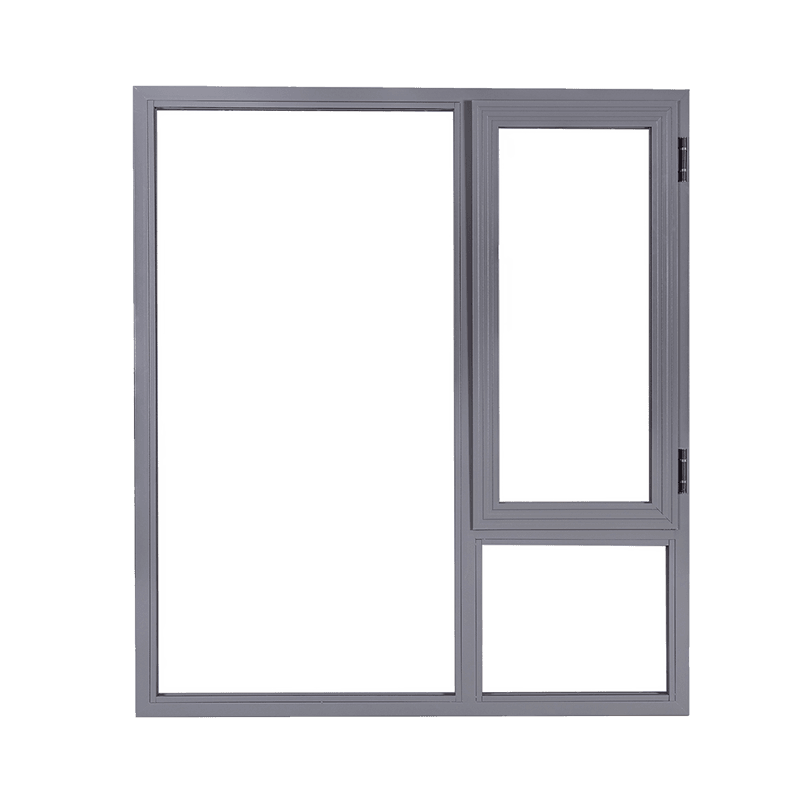
The impact resistance of a Fire Resistant Window largely depends on the materials used in its construction. Typically, these windows are made from tempered or laminated glass combined with specialized intumescent layers that expand under heat. Laminated glass sandwiches a plastic interlayer between glass panes, which absorbs and distributes energy from impacts, preventing shattering. Tempered glass undergoes controlled thermal treatment, increasing surface tension and allowing it to withstand higher impact forces without breaking. The combination of these materials ensures that Fire Resistant Windows can endure mechanical stress while maintaining fire safety properties.
Surface Hardness and Scratch Protection
Scratch resistance is another important factor in the performance of Fire Resistant Windows. Surface coatings, such as anti-scratch laminates or hardened glass finishes, enhance durability against everyday wear, cleaning, and contact with abrasive objects. High-quality coatings maintain optical clarity while providing a protective barrier, preventing minor scratches from compromising the structural integrity or aesthetic appeal. Scratch-resistant surfaces also reduce long-term maintenance costs and help preserve the fire window’s functional and visual performance.
Design Features Enhancing Resistance
The structural design of Fire Resistant Windows contributes to both impact and scratch resistance. Multi-pane configurations, reinforced edges, and robust framing systems distribute stress across the window surface, reducing localized damage from collisions. The use of steel or aluminum frames not only supports the weight of heavy fire-resistant glass but also provides additional protection against direct impacts to the window edge, which is typically more vulnerable. Proper installation with secure fastening and vibration damping further enhances overall durability.
Testing and Standards Compliance
Fire Resistant Windows are subjected to rigorous testing to ensure both fire safety and mechanical resilience. Impact tests simulate accidental strikes with objects, while scratch resistance evaluations measure surface durability against abrasive materials. Compliance with international standards ensures that windows can perform reliably in emergency scenarios and resist physical wear during regular use. Testing also verifies that reinforced glass retains integrity under thermal stress, maintaining both safety and durability.
Maintenance and Longevity
Routine maintenance is essential to preserve the impact and scratch resistance of Fire Resistant Windows. Regular cleaning with non-abrasive materials, inspection of frame seals, and prompt replacement of damaged panes prevent deterioration over time. Proper maintenance ensures that the window continues to provide fire protection while resisting physical damage in high-use environments.
Fire Resistant Windows combine fire safety with robust impact and scratch resistance through carefully engineered materials, coatings, and structural designs. Laminated or tempered glass, reinforced frames, and protective surface treatments work together to withstand mechanical stress, accidental impacts, and everyday abrasion. By integrating these features, Fire Resistant Windows offer durable, safe, and low-maintenance solutions for residential, commercial, and industrial buildings, ensuring both fire protection and physical resilience in demanding conditions.
Share:
Related Products

 No. 1266, Huajie West Avenue, Yongkang City, Zhejiang Province, China
 [email protected]
 +86-13626793298
 [email protected]
Copyright © Yongkang Chenma Industry and Trade Co., Ltd. All rights reserved.

Sale Entrance Solid Wood Front Doors Manufacturer