 English
 中文简体
中文简体 Français
 Español
 عربى
عربى
Load-Bearing and Wind Resistance of Anti-Theft Doors
Dec 19, 2025
Introduction to Entrance Anti-Theft Door Performance
Entrance Anti-Theft Doors are essential components in residential, commercial, and industrial security systems. Beyond preventing unauthorized access, these doors must also demonstrate strong load-bearing capacity and the ability to withstand wind pressure. Both characteristics are critical for ensuring structural integrity, long-term durability, and reliable performance in a variety of environmental conditions. Understanding how these doors are engineered to handle mechanical and environmental stresses is key to selecting the right product.
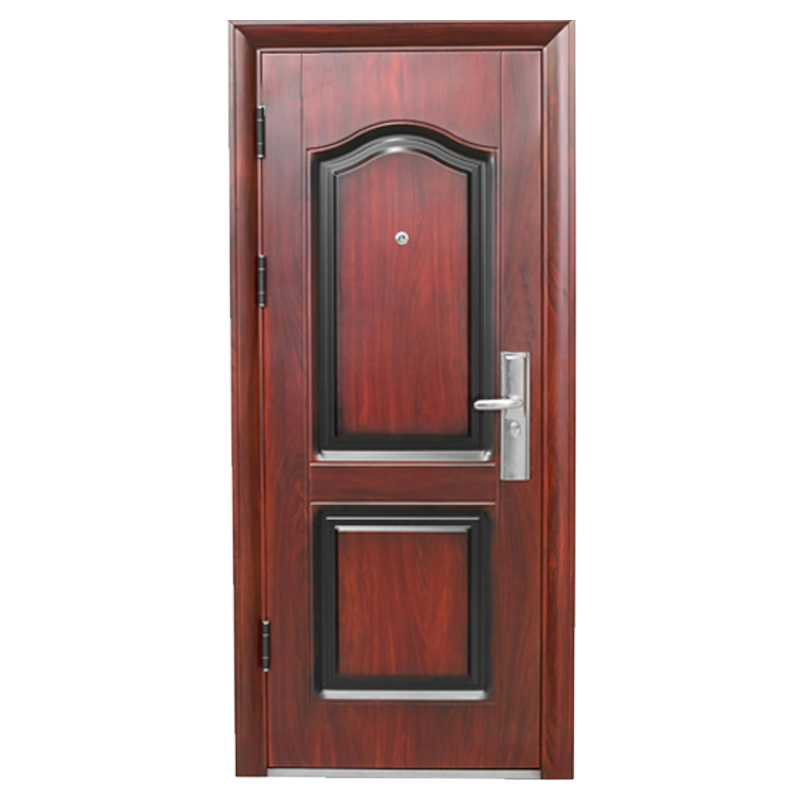
Structural Strength and Load-Bearing Capacity
The load-bearing ability of an Entrance Anti-Theft Door depends largely on the materials used and the construction methods employed. High-quality steel or reinforced alloy frames provide the primary strength, supporting the door’s weight and any additional forces applied during normal use or attempted break-ins. The door leaf, hinges, and frame must work in unison to distribute stress evenly, preventing sagging or warping over time. Multi-layered doors with steel cores, reinforced panels, and welded joints offer good load-bearing performance, ensuring that the door remains stable under daily operational stresses and external impacts.
Hinge and Frame Reinforcement
Hinges and frames are critical elements influencing the door’s ability to carry weight. Heavy-duty hinges, often with multiple attachment points, allow the door to swing smoothly without deforming. Reinforced frames, sometimes incorporating crossbars or gussets, improve resistance to bending and provide additional structural support. These features enable the Entrance Anti-Theft Door to bear significant weight while maintaining precise alignment, ensuring both security and operational reliability. Properly engineered hinge and frame designs also decrease long-term wear, reducing maintenance needs.
Wind Pressure Resistance
Doors exposed to outdoor conditions, especially on upper floors or in regions with strong winds, must resist wind-induced forces. Entrance Anti-Theft Doors are designed to withstand wind pressure through robust construction, secure sealing, and reinforced panels. Wind load can exert both positive and negative pressure, potentially causing deformation or rattling if the door is not adequately reinforced. Modern designs often include reinforced edges, multiple locking points, and sturdy door panels to resist flexing and maintain a tight seal against air infiltration, enhancing both durability and energy efficiency.
Material Selection and Thickness Considerations
The choice of materials and panel thickness directly affects both load-bearing and wind resistance. Steel or alloy panels with sufficient thickness provide rigidity and prevent deflection under pressure, while composite or multi-layered panels can improve energy efficiency and noise insulation without compromising structural strength. Coatings such as powder-coated finishes protect the material from corrosion, which is particularly important in humid or coastal areas where environmental factors could weaken the door over time.
Testing and Certification
Reliable Entrance Anti-Theft Doors are often subjected to rigorous testing to validate load-bearing and wind resistance. Laboratory and field tests simulate conditions, including repeated force application, impact resistance, and high wind loads. Certified products ensure that doors meet safety and performance standards, providing confidence that the door will maintain structural integrity under both mechanical and environmental stress.
Entrance Anti-Theft Doors combine security with structural resilience, offering high load-bearing capacity and strong resistance to wind pressure. Through careful material selection, reinforced frames and hinges, and precise engineering, these doors maintain alignment, prevent deformation, and withstand environmental forces. Properly designed and tested, Entrance Anti-Theft Doors provide long-term reliability, ensuring both safety and durability in demanding conditions. The combination of strength and wind resistance makes these doors essential for secure and resilient building entrances.
Share:
Related Products

 No. 1266, Huajie West Avenue, Yongkang City, Zhejiang Province, China
 [email protected]
 +86-13626793298
 [email protected]
Copyright © Yongkang Chenma Industry and Trade Co., Ltd. All rights reserved.

Sale Entrance Solid Wood Front Doors Manufacturer